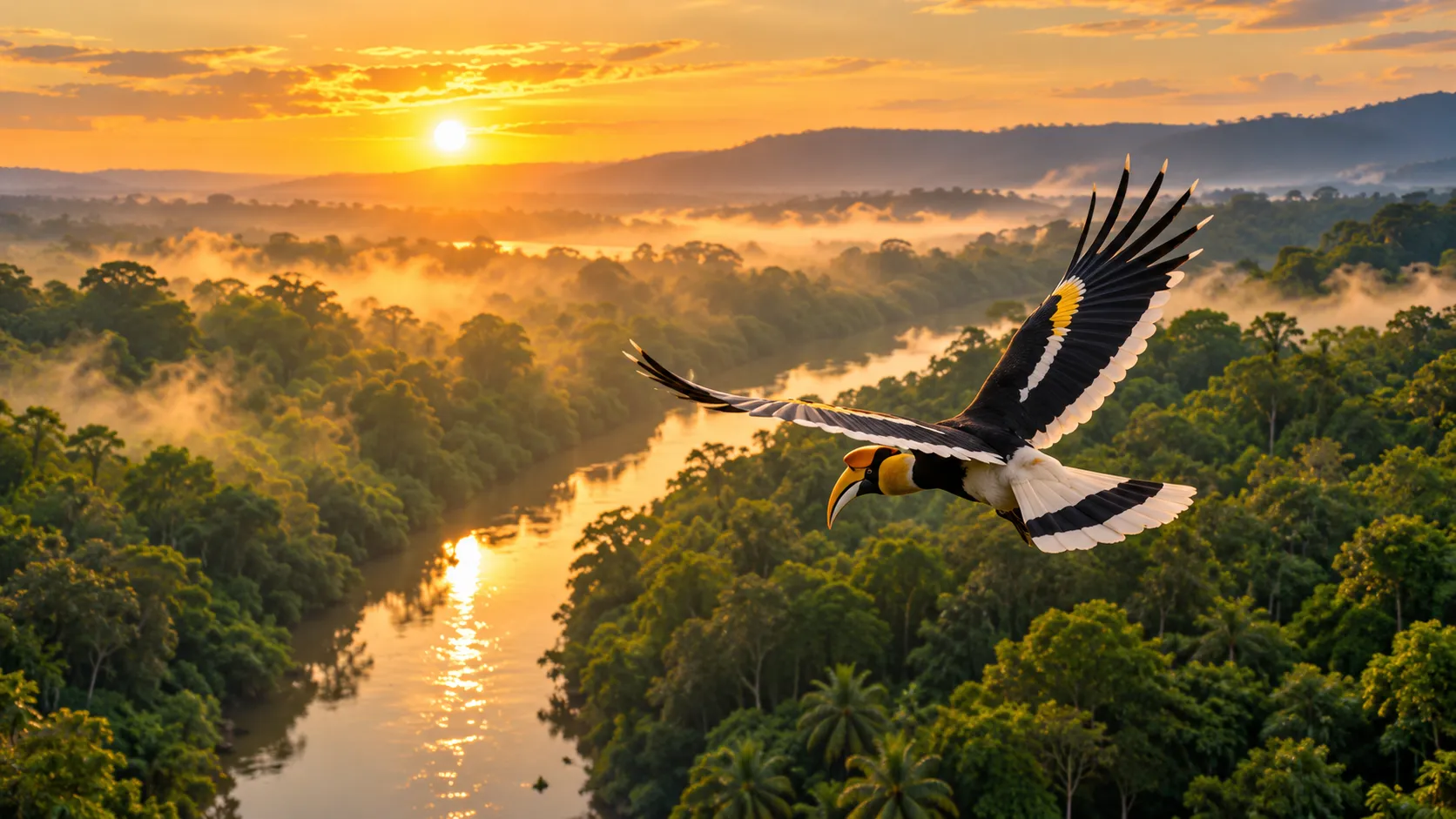
Pakke Kessang is one of the newer districts of Arunachal Pradesh, tucked into the forested foothills along the Assam border. It is a district of green hills, rivers and protected forest, and it is known to most travellers through one name: Pakke Tiger Reserve. Beyond the reserve, though, it is also home to Nyishi communities, small market towns and roads that wind through a landscape that few visitors see.
For anyone who wants nature without crowds, and who is happy to trade polish for space, Pakke Kessang makes an interesting stop. This guide explains where the district is, what you can reasonably see and do, how to approach the trip and how to travel responsibly.

Where Is Pakke Kessang?
Pakke Kessang is a district in the western part of Arunachal Pradesh, on the southern edge of the state, close to the Assam boundary. It was created from the larger East Kameng district in recent years, so older maps and guidebooks may still place the area there.
The terrain is low and hilly compared with the high mountains of the north and west. Rivers, including the Kameng, run through the wider region, and dense forest covers much of the land. The climate is warmer and wetter than in the upper valleys, and the vegetation is tropical and subtropical.
In the regional picture, Pakke Kessang sits in the western foothills, close to the Bhalukpong gateway and quite separate from the eastern valleys of the Siang, Dibang and Lohit. That matters for planning. It is usually visited as its own trip, or as part of a western Arunachal journey, not combined with the east in a single route. If you are working out how different parts of the state fit together, see our Eastern Arunachal Pradesh travel guide for the contrast.
Why Visit Pakke Kessang?
Forests. Much of the district is covered in thick forest, and even a short drive passes through tall trees, bamboo and vines. If you like the sound of rain on leaves, you will feel at home.
Wildlife. The area is known for its biodiversity, and Pakke Tiger Reserve is the main reason. That does not mean you will see any particular animal. A good visit depends on patience, not on sightings.
Nature. Rivers, forest edges, hill views and birdsong give the district a calm character. It suits slow, observant travel.
Cultural experiences, where supported. The area is home to Nyishi communities and others, and a respectful visitor can learn about local life through a guide or host.
Offbeat travel. Visitor numbers are low, and facilities are modest. For travellers who want a very different sort of remote destination, our Hawai travel guide covers a high-valley district in the far east, which shows how varied lesser-known Arunachal can be.
Connection with the broader Pakke region. The forests of the district are part of a larger landscape that extends into Assam, with Nameri National Park across the boundary. That wider context gives the area its conservation importance.
Best Places to Visit in Pakke Kessang
Pakke Tiger Reserve. The main attraction and the reason most people come. It is a large protected forest managed by the state forest department, and visits are shaped by its rules. Plan a full day or more, depending on what is permitted. It suits birdwatchers, forest lovers and patient travellers. More in the wildlife section below.
Seijosa. The town closest to the reserve's main approach, with services and a forest-department presence. Many travellers base themselves here.
Rivers and forest roads. Drives through the district show river valleys, forest edges and small settlements. Stop at safe viewpoints, and take care near water, since currents change with the rains.
Nyishi villages. Villages offer a way to understand the culture of the area, but visits should be arranged through a local host or guide, not as drop-ins. Plan half a day for a single village, including time to talk and eat if invited.
Bhalukpong region. Just outside the district, the border town of Bhalukpong has its own riverside scenery and an orchid centre in the nearby area. It is often visited in the same trip.
I have not listed waterfalls, lakes or trails, because I cannot verify any that are open to visitors. If you hear of one, ask a local operator before you plan around it.
Pakke Kessang and Wildlife Tourism
Pakke Tiger Reserve is the centre of wildlife tourism in the district, and it is a good place to learn how a large forest works. The reserve is also known as Pakhui in some sources, and you may see it called Pakke-Pakhui. It lies on the east bank of the Kameng River, in a landscape of tropical forest that is home to many species of plants, birds and mammals.
The most useful way to think about it is as a forest experience, not an animal-spotting expedition. Tigers live in the reserve, but they are rarely seen, and the forest is dense. Birdwatching is often the most rewarding activity, and hornbills are widely mentioned among the birds. Community-led conservation involving local people, including work to protect hornbill nests, has been reported in the area.

Rules for entry, guides, activities, accommodation and any safari-style options are set by the forest department and can change. I have not given schedules, timings, fees or availability. Contact the reserve authorities or a reputable local operator before you plan.
For a detailed look at the gateway town, wildlife activities and how to plan around the reserve, read our Seijosa travel guide.
How to Reach Pakke Kessang
From Assam. Most travellers approach through Assam. Tezpur is a common gateway, and Guwahati is the main long-distance hub, with an airport and a major railway station From there, you continue by road to the Arunachal boundary near Bhalukpong and on toward the district.
By road. Hired cars and taxis are the most flexible option, and a driver who knows the area helps. I cannot confirm whether shared transport runs on the final stretch.
Travel considerations. Roads in the foothills can be affected by rain, landslides and maintenance. Allow extra time, ask locally about current conditions each day and avoid tight connections with trains or flights.
If you are thinking about a wider road trip through the western foothills, the border area offers other stops. Our Bhairabkunda travel guide covers a riverside destination in that part of the region, which can fit alongside a Pakke Kessang stay as a gentler outing.
Best Time to Visit Pakke Kessang
No exact weather or opening-date information is given here, so check with the forest department and a current forecast.
Cooler, drier months. The months after the monsoon through the winter are generally the most comfortable and the easiest for travel. Forest paths are more accessible, and birdwatching is often good. Mornings can be misty.
Spring. Weather warms and showers become more frequent. The forest is lively, and conditions vary.
Monsoon. Heavy rain is common, rivers rise, leeches are numerous and roads can be disrupted. Access to parts of the reserve may be restricted, and I cannot confirm any dates. It is the hardest season for visitors.
The trade-off is simple. The cooler months are easier, and the monsoon is greener and quieter. Decide which matters more to you, and keep your plans flexible.
Permits and Entry Requirements
Arunachal Pradesh regulates entry. Indian citizens who are not residents of the state generally need an Inner Line Permit, and foreign nationals have separate requirements. Entry to Pakke Tiger Reserve has its own rules, set by the forest department.
Carry printed copies of your permits, a valid photo ID and any booking confirmations, since checkpoints are common. Keep them in a waterproof bag.
Where to Stay
Accommodation is generally simple. Options may include small hotels, guesthouses, forest-department facilities and nature-style camps, with limited availability. Staying close to the reserve saves time at dawn, which matters for birdwatching, and staying in a larger town offers more choice.
Book ahead through the relevant authority or a reputable operator, particularly in the cooler months, and confirm what is included, such as meals, hot water and power backup. Expect basic facilities and limited connectivity.
Food and Local Travel
Meals are usually simple, often rice with vegetables, dal, fish or meat and local greens, depending on the household and availability. Choice may be limited outside towns, so carry snacks and water, and tell your host about dietary needs in advance.
Local travel is slow and informal. Days are built around the weather, the forest and the road, and conversations with your driver or host are often the best source of information. If you are offered food or drink in a home, accept it graciously, and decline politely if you cannot take it. Rice-based drinks are part of hospitality in some places, so ask before drinking.
Mobile coverage in the forest and foothills can be patchy. Download maps before you leave, and do not rely on being reachable.
What to Pack
- Neutral-coloured, quick-dry clothing, with long sleeves and trousers for forest walks
- A lightweight waterproof jacket and pack cover
- Sturdy, grippy shoes or boots, and leech socks in the wet season
- Insect repellent and sun protection
- Binoculars and a camera with a zoom lens, plus spare batteries
- A torch or headlamp for early starts
- Personal medication, a first-aid kit and a refillable water bottle
- A power bank, since electricity can be unreliable
- Printed permit copies, photo ID and some cash
Responsible Travel and Wildlife Etiquette
Keep your distance. Never approach, feed or chase wildlife. Stay quiet, avoid sudden movements and leave if an animal shows signs of stress.
Follow forest rules. Rules on entry, routes, guides and behaviour protect both animals and people. Follow instructions from forest staff.
Avoid plastic waste. Carry a refillable bottle, take all rubbish out and avoid single-use plastic.
Use local guides. Authorised guides know the forest, keep visitors safe and bring income to the community.
Respect local communities. Treat villages as homes. Ask before entering or photographing, follow your host's lead and buy from local businesses.
Avoid drones and loud noise. Both disturb wildlife, and drones may be prohibited. Check the rules.
Do not collect anything. Leave plants, feathers and other natural items where they are.
Suggested 2-Day or 3-Day Itinerary
3-day plan
Day 1. Travel from Tezpur or another Assam base toward the district, with a stop in the Bhalukpong area if you wish. Settle in at Seijosa or nearby, and confirm arrangements with the forest department or your operator.
Day 2. Make an early start for Pakke, subject to current rules, with an authorised guide for birdwatching and forest walks. Rest in the afternoon, and perhaps take a quiet river visit.
Day 3. Spend the morning around the district, with a village visit arranged through a local host if possible, then begin the return journey.
2-day plan
Day 1. Travel to the district and settle in. Take a short evening walk near your base.
Day 2. Early start for the reserve, then return in the afternoon.
Keep a spare day if you can, since weather and permissions can change plans, and a quiet first morning in the forest is common.
FAQs About Pakke Kessang
Where is Pakke Kessang?
Pakke Kessang is a district in western Arunachal Pradesh, in the forested foothills close to the Assam border. It was created from East Kameng district.
Is Pakke Kessang worth visiting?
For travellers who enjoy forests, birdwatching and quiet nature travel, yes. It is not suited to people wanting guaranteed wildlife sightings or comfortable facilities.
What is Pakke Kessang known for?
It is best known for Pakke Tiger Reserve and its forests, along with Nyishi communities and a low-key, offbeat character.
How do I reach Pakke Kessang?
Most travellers go by road from Assam, often via Tezpur or Guwahati, then on toward Bhalukpong and the district. Verify current routes and transport.
Can I see tigers in Pakke?
Tigers live in the reserve, but they are rarely seen in the dense forest. Do not plan a trip around a sighting.
What is the best time to visit Pakke Kessang?
The cooler, drier months after the monsoon are generally best. The monsoon brings heavy rain, leeches and possible access limits.
Do I need a permit for Pakke Kessang?
Non-resident Indian citizens generally need an Inner Line Permit, and the reserve has its own entry rules. Verify current requirements with official sources.
How many days do I need?
Two to three days allows a forest outing, rest and a village visit. More days allow a second early start.
Conclusion
Pakke Kessang suits travellers who are curious about the parts of Arunachal Pradesh that rarely make the brochures. Go with realistic expectations, which means no promised sightings, simple rooms and plans that bend with the weather. Confirm permits and reserve rules before you leave, hire local guides, carry out everything you bring in and treat the people who live here as hosts. Lesser-known places stay worth visiting when visitors take care of them.