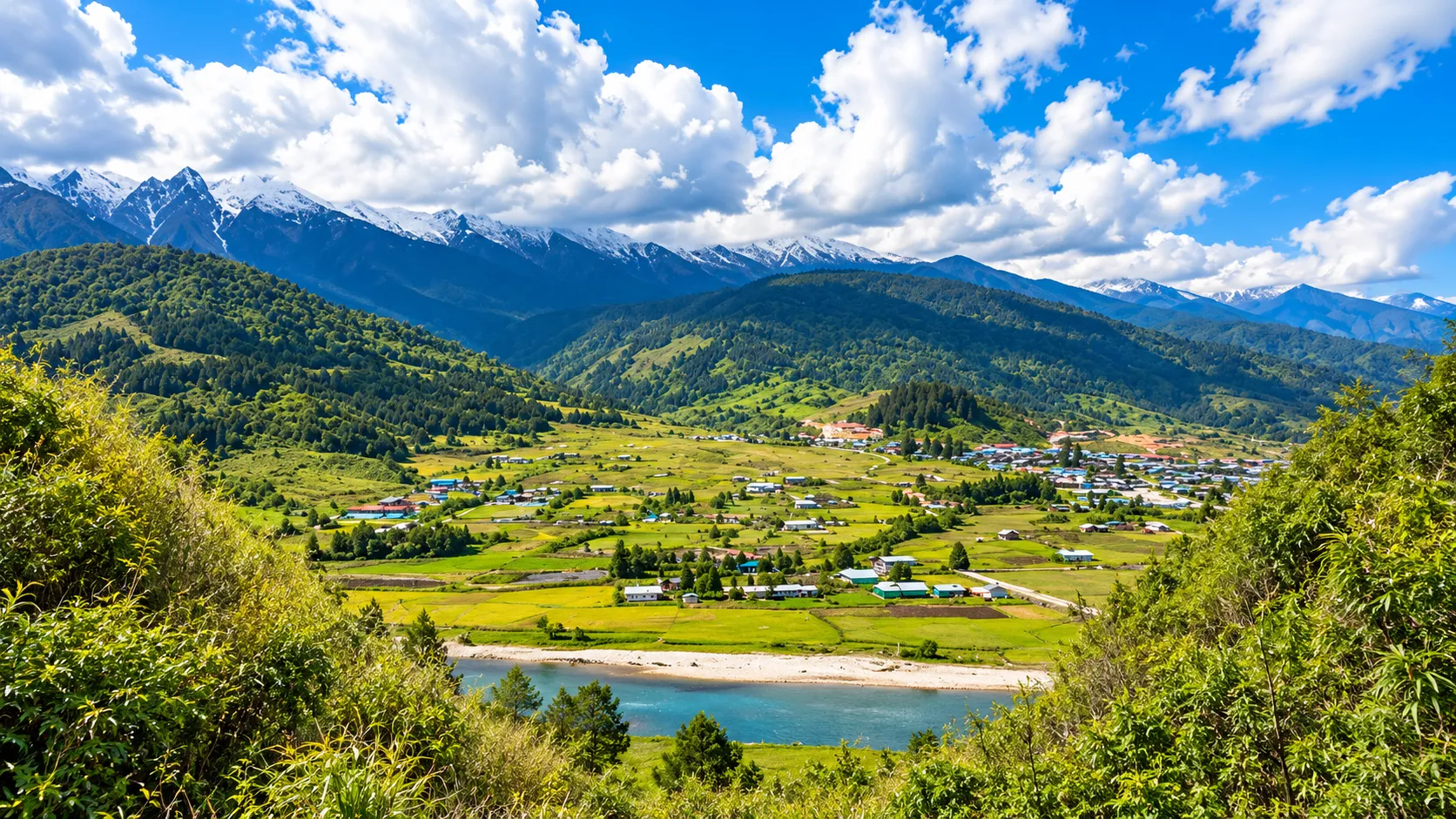
Most travellers who come to Arunachal Pradesh follow the well-worn route to Tawang, perhaps adding Ziro or Bomdila. It is a beautiful trip, and it is also the one most people have already read about. Eastern Arunachal Pradesh offers something different: river valleys that run down from high mountains toward the Assam plains, forests that stay thick for hours of driving, and frontier settlements near the edge of the country, where the road ends because the map does.
Travel here is slower and less polished. There are fewer hotels, fewer signboards and long stretches of road with nothing but forest and river. It is also a region where many communities live, each with its own language, festivals and customs. Visitors who arrive with time, curiosity and flexibility tend to find it rewarding.
This guide explains what Eastern Arunachal Pradesh is, where to go, how to plan your days, and what to know about permits, seasons and responsible travel.
What Is Eastern Arunachal Pradesh?
Eastern Arunachal Pradesh is a travel term, not an official administrative region. There is no single agreed definition, so travel writers and operators draw the line in different places. In this guide, it means the districts in the eastern part of the state along the Assam border and the rivers that flow from there: the Siang and Dibang valleys, the Lohit valley and the areas toward Changlang and the Namdapha region.
The region is shaped by rivers. The Siang, Dibang and Lohit each cut their own valley, and the valleys are separated by mountain ranges. This matters for planning, because moving between valleys often means returning to the plains of Assam instead of crossing the hills directly.
It appeals to travellers who like landscapes with room in them, who are comfortable with simple facilities and who value learning about local life over ticking off famous sights.
Why Visit Eastern Arunachal Pradesh?
Remote landscapes. Steep forested ridges, wide river gravel beds, cloud in the valleys and high snow peaks on clear days make for scenery that feels large and unhurried.
Tribal and cultural experiences. The region is home to a number of indigenous communities, including the Adi, Idu Mishmi and other Mishmi groups, Khamti, Singpho and many others. Festivals, crafts, food and village life vary a great deal from place to place.
Mountain roads. The journey is part of the trip. Roads climb through forest, cross rivers on bridges and run along gorges. They are slow, and they reward those who stop to look.
Rivers and valleys. The Siang, Dibang and Lohit shape the land, the weather and the settlements. Viewpoints over river bends are among the region's quiet highlights.
Frontier travel. Some destinations lie close to the international border, and they are tied to the history and present of the frontier. Access to these areas has specific rules.
Less-commercialised destinations. Tourism infrastructure is limited. For some people that is the point.
Photography and adventure. Landscapes, light, mist and village life reward patient photographers. Adventure options such as river rafting and trekking exist in places, but availability varies, so check locally.

Best Places to Visit in Eastern Arunachal Pradesh
Anini
Anini is the headquarters of Dibang Valley district and sits in a high, forested valley that is the heartland of the Idu Mishmi community. It is remote, and reaching it takes effort, which is much of its character. Visitors come for the mountain scenery, the sense of distance and the chance to learn about Idu Mishmi culture.
It suits patient, self-sufficient travellers who enjoy remote places and can cope with simple facilities and changing weather. Most visitors allow at least a couple of nights and add buffer days for the road. It usually fits into an itinerary as a side journey from Roing.
Kibithoo
Kibithoo is a frontier settlement in Anjaw district, in the far east of the state near the international border. It is known for its position and for its link to the history of the frontier. The main experience is the journey up the Lohit Valley and the feeling of reaching the edge of the country.
It suits travellers interested in frontier landscapes and history who are willing to deal with permissions and uncertainty. Access to frontier areas can involve additional rules and may change at short notice. Allow generous time and keep plans flexible. It usually sits at the far end of a Lohit Valley itinerary, with Walong along the way.
Dong Valley
Dong lies in the far east of Anjaw district, at the point where two rivers meet, and it is often described as the place where India sees its first sunrise. Visitors come for that idea, for the high-mountain setting and for the quiet. Treat the sunrise claim as a popular description, and ask locally how it is framed.
It suits travellers who want a long Lohit Valley journey and do not mind early mornings and cold. Most visitors treat it as an end point, often combined with Kibithoo and Walong. See the [INTERNAL LINK: Dong Valley Travel Guide].
Yingkiong
Yingkiong is the headquarters of Upper Siang district, on the Siang River, in Adi country. The Siang runs through deep gorges here before opening out toward the plains. Visitors come for the river scenery, the mountain backdrop and a chance to learn about Adi communities and their festivals.
It suits travellers who enjoy river landscapes and cultural travel and are comfortable with long road days. Most allow a couple of nights, and it often fits as a northward extension from Pasighat. See the [INTERNAL LINK: Yingkiong Travel Guide].
Pasighat
Pasighat, the headquarters of East Siang district, is often described as one of the oldest towns in Arunachal Pradesh. It sits where the Siang River comes out of the hills onto the plains, and it is the most accessible base in the Siang region. Visitors come for the river, for Adi culture and as a starting point for the Siang valley. Activities such as river rafting have been offered here, and there are protected wild areas nearby.
It suits first-time visitors to the east, culture-focused travellers and anyone who wants an easier introduction. Allow a night or two, or more if you continue north. It is a natural first stop for a Siang itinerary.
Roing
Roing is the headquarters of Lower Dibang Valley district and the usual gateway to the Dibang region. It sits among forested foothills and is closely tied to the Idu Mishmi community. Visitors come for the lakes, forest and archaeological sites that are often mentioned around the town, and as a base for the road to Anini.
It suits travellers who want a gentle start in the Dibang valley and who enjoy slow exploration. A couple of nights is a common plan. It usually works as a hub, either as a destination or as the first stage toward Anini.
Other Places Worth Considering
The Lohit valley is also home to Tezu, Parshuram Kund and Wakro. Our guides to Parshuram Kund Travel Guide and Wakro Travel Guide cover them. Namsai, with its Buddhist culture, is covered in our Namsai Travel Guide, and Miao is the usual base for Namdapha National Park, described in our Miao Travel Guide.

Eastern Arunachal Pradesh and Tribal Culture
Culture is a main reason to come, and it asks something of visitors in return. The communities of the east are not one group, and they differ in language, belief, dress, food and festivals. Treat each place on its own terms, and avoid describing the region as if it were uniform.
Many villages welcome visitors who come with permission and humility. Arrange visits through a local host, guide or community organisation. Ask before entering any home or sacred place, and ask before photographing people or ceremonies. If you want to attend a festival, confirm what is open to visitors, since some events are private. Dates change every year, so verify them locally.
Support local people by staying in homestays, eating in local places, hiring local guides and buying crafts from makers. Our Responsible Tribal Tourism in Northeast India guide goes into more detail.
Best Time to Visit Eastern Arunachal Pradesh
No exact weather figures are given here, so check a current forecast before you travel.
Cooler, drier months. The months after the monsoon through the winter are generally the best for travel. Roads are more reliable, skies are clearer and views are better. Nights can be cold at higher elevations, and snow can affect high areas.
Spring. Weather warms up and showers become more likely. It can be a pleasant time for green hills and flowering plants, though conditions vary.
Monsoon. Heavy rain is common. Rivers rise, landslides are more likely and roads can close for days. Some travellers like the lush scenery, but plans need much more flexibility.
Festival timing also shapes the season. Many festivals fall after harvest or in spring, and popular events can strain rooms and roads.
How to Reach Eastern Arunachal Pradesh
Almost all travellers come through upper Assam, but the routes differ by destination, so plan each valley separately.
For the Lohit valley (Tezu, Parshuram Kund, Wakro, Walong, Kibithoo and Dong), gateways include Dibrugarh and Tinsukia, and Tezu has an airport. For the Dibang valley (Roing and Anini), travellers usually approach from the Tinsukia and Dibrugarh side. For the Siang valley (Pasighat and Yingkiong), travellers approach from the Dibrugarh side or from other points along the Assam bank, and Pasighat has an airport. For Namsai and Miao, the approach is also through upper Assam.
Dibrugarh is the most commonly used major airport, and Guwahati is the main long-distance gateway. Railheads such as Dibrugarh and Tinsukia are widely used. Hired cars and shared vehicles are the usual ways to continue.
Permits and Travel Requirements
Arunachal Pradesh regulates entry. Indian citizens who are not residents of the state generally need an Inner Line Permit, and foreign nationals have separate requirements. Frontier and protected areas can have additional rules, and some destinations in the far east may need extra permissions. Procedures, fees and processing change, so verify them with the official sources before you travel.
Carry printed copies of permits and photo ID, since checkpoints are common. Read our Arunachal Pradesh ILP Guide for general background, and treat it as an overview and not a substitute for current official rules.
How Many Days Do You Need?
Distances in the east are large, the roads are slow and the valleys are separate. Choose one or two valleys per trip, not all of them.
Short trip (3 to 4 days). Focus on one base. Pasighat and its surroundings, Roing and nearby sights or Tezu with Parshuram Kund all work. This suits first-time visitors and people short of time.
5 to 7 days. Pair a valley base with a longer excursion, such as Pasighat with a northward trip toward Yingkiong, or Roing with a side journey to Anini. Add buffer days for weather.
8 to 10 days. This allows a deeper exploration of one valley, for example the Lohit valley from Tezu to Walong, Kibithoo and Dong, or a combination of two valleys via Assam. Do not try to see everything. Long road days add up quickly.
Sample Eastern Arunachal Pradesh Itinerary
Day 1. Arrive at Dibrugarh or Tinsukia and rest. Confirm vehicles and permits.
Day 2. Travel to Tezu. Settle in and explore the town.
Day 3. Visit Parshuram Kund and the surrounding area. Spend time at the river.
Day 4. Travel up the valley toward Walong, stopping at viewpoints and villages along the way.
Day 5. Explore Walong and learn about its history. Treat memorials with respect.
Day 6. Travel to Kibithoo, subject to permissions, and spend time at the frontier.
Day 7. Visit Dong early for the morning light, if access is permitted, then return toward Walong.
Day 8. Begin the journey back to Tezu.
Day 9. Return to Assam and onward travel.
Keep at least one spare day in any such plan, since landslides and permissions can shift everything. For other valleys, build a similar plan around Pasighat or Roing.
Travel Tips for Eastern Arunachal Pradesh
Road travel. Roads are slow and affected by rain and landslides. Use drivers who know the routes, start early and avoid night driving.
Connectivity. Mobile coverage is patchy in valleys and absent in some places. Download maps and keep key numbers offline.
Cash. Carry enough cash, since ATMs are scarce outside district towns and digital payments may not work.
Weather and clothing. Pack layers, rain protection and warm clothing for high places. Conditions change quickly.
Medicines. Bring your regular medication, a first-aid kit and motion-sickness tablets for winding roads. Medical facilities can be far away.
Power. Electricity can be unreliable. Carry a power bank and spare batteries.
Responsible photography. Ask before photographing people, and avoid sensitive sites. Photography near border or security installations may be restricted, so follow local rules.
Respect for local customs. Dress modestly, greet politely and follow your host's guidance.
Flexibility. Delays are normal. Leave spare days and accept that plans will change.
Responsible Travel in Eastern Arunachal Pradesh
Respect tribal communities by treating villages as homes and not as attractions. Ask permission before entering, follow local instructions and let conversations develop naturally.
Ask before photographing people, ceremonies and clothing, and accept a refusal. Avoid drones near villages, ceremonies and sacred places unless you have clear permission.
Avoid litter. Carry out your waste, avoid single-use plastic and keep soap and chemicals out of rivers. Collection is limited in remote places, and what you leave may stay.
Support local businesses by using local guides, homestays, restaurants and transport, and by buying crafts directly from makers.
Respect religious and cultural sites by dressing modestly, keeping quiet and not touching sacred objects. Follow signs and local advice.
FAQs
Is Eastern Arunachal Pradesh worth visiting?
Yes, if you value remote landscapes, river valleys and cultural travel over polished infrastructure. It suits patient travellers.
Which places should I visit in Eastern Arunachal Pradesh?
Popular choices include Pasighat, Roing, Anini, Yingkiong and, in the Lohit valley, Tezu, Parshuram Kund, Walong, Kibithoo and Dong. You rarely visit all of them in one trip.
How many days are enough for Eastern Arunachal Pradesh?
A short trip can take 3 to 4 days in one area. Five to seven days suits a valley plus an excursion, and 8 to 10 days allows deeper exploration.
Is a permit required for Eastern Arunachal Pradesh?
Most non-resident visitors need a permit, and some frontier areas have extra rules. Verify current requirements with official sources.
Is Eastern Arunachal Pradesh suitable for first-time visitors?
It can be, especially with a local guide and a simple route such as Pasighat or Roing. Be ready for slow roads and basic facilities.
What is the best season to visit Eastern Arunachal Pradesh?
The cooler, drier months after the monsoon are generally easiest. The monsoon brings heavy rain and road disruption.
Can I travel independently in Eastern Arunachal Pradesh?
Some travellers do, but roads, permits and limited services make it harder. A local driver or guide is strongly advisable.
Is mobile connectivity available?
It is patchy and absent in some areas. Download maps in advance and keep important numbers offline.
What should I pack for Eastern Arunachal Pradesh?
Pack layers, rain protection, warm clothing, sturdy shoes, medication, a power bank, permit copies and some cash.
How can I visit tribal communities responsibly?
Ask permission, use local guides and homestays, buy from local makers, respect ceremonies and follow community guidance.