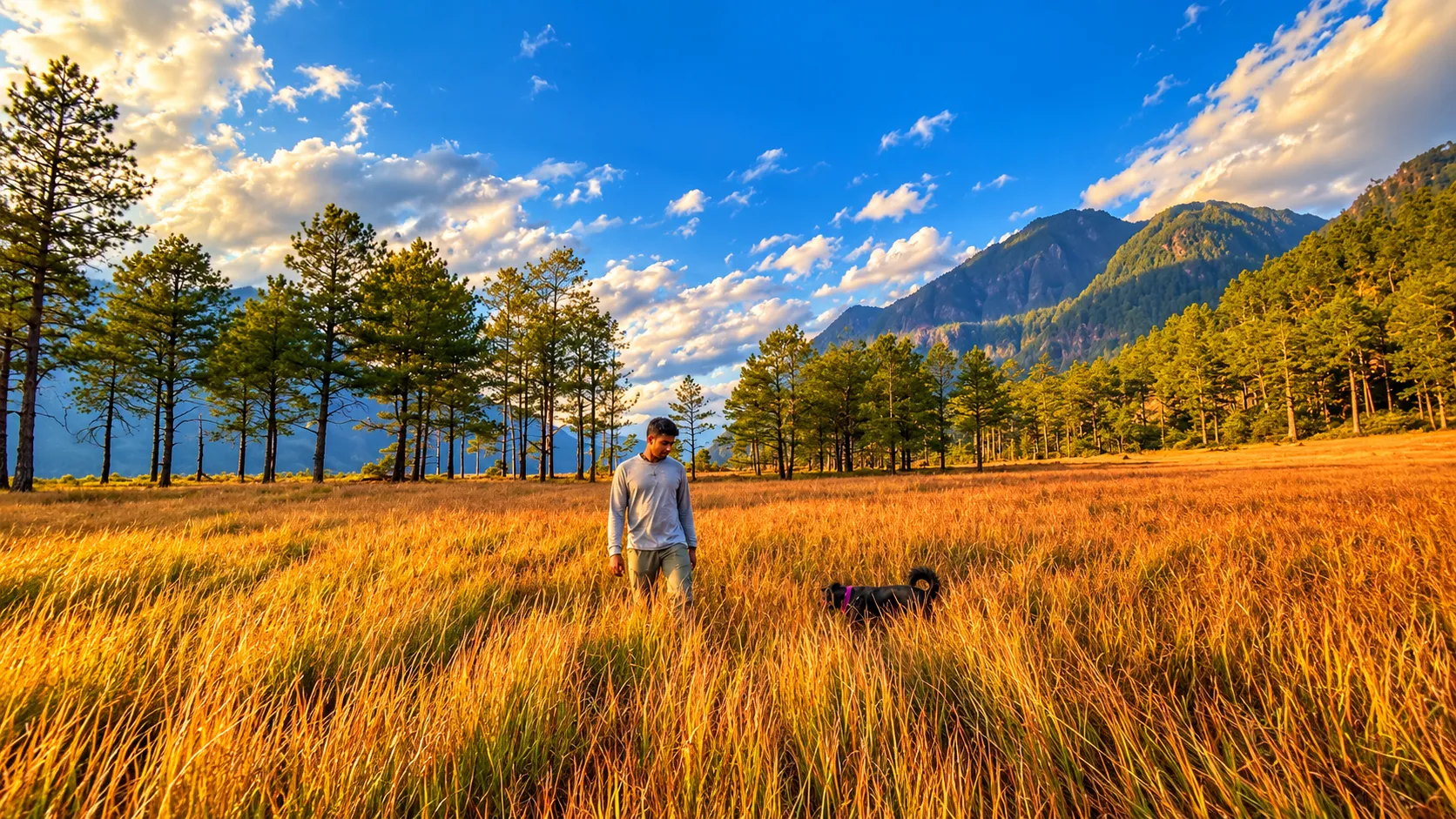
Hawai is the headquarters of Anjaw district, in the far east of Arunachal Pradesh, and the point where the road up the Lohit Valley starts to feel truly remote. Most visitors pass through on their way to somewhere more famous. Walong, Kibithoo and Dong all lie further along the same river, and Hayuliang lies off in another direction. Yet Hawai is worth understanding on its own terms, as the main administrative town of a district that few travellers see.
This guide to Hawai Arunachal Pradesh explains where it is, what you can reasonably see and do, how to reach it, when to go and how it fits into a wider eastern route. It is useful whether you plan to stay a night or build a longer trip. For the bigger picture, read our Eastern Arunachal Pradesh travel guide.

Where Is Hawai in Arunachal Pradesh?
Hawai is the headquarters of Anjaw district, in the eastern part of Arunachal Pradesh, in the upper Lohit River valley. The district was carved out of the larger Lohit district, and older sources may still describe the area as part of it.
The setting is steep and forested, with the Lohit River running below high ridges. The climate and vegetation change as you climb the valley, and the roads follow the river, so the landscape feels long and narrow. Beyond Hawai, the valley continues toward the border.
Within the eastern region, Hawai is a staging point. It is further up the valley than Tezu and Wakro, and it sits closer to the frontier destinations beyond. It is also connected by road to Hayuliang, another part of Anjaw. For most travellers, it is a base or a stopover, not the end of the journey.
Why Visit Hawai?
A remote Himalayan setting. The scenery is large and uncrowded. Forested slopes, river gorges and high ridges give the valley a sense of space that is hard to find on busier routes.
The Anjaw region. Anjaw is one of the least visited districts in the state. Travelling here means long road days, simple facilities and a slower pace.
Cultural experiences. The district is home to several communities, including groups associated with the Mishmi Hills. A respectful traveller can learn about local life through guides and hosts.
Landscapes. The Lohit and its tributaries shape everything, and the road follows them through gorges, forest and small settlements.
Offbeat travel. If you like places with few other visitors, Anjaw suits you. For a very different kind of offbeat destination, in the forested foothills of the state's southwest, see our Seijosa travel guide.
Gateway or stopover potential. Hawai is a practical place to rest, restock and confirm permissions before continuing up the valley. For many travellers, that is its main role.
Best Places to Visit in and Around Hawai
Hawai has few formal tourist attractions, and I would rather say so than invent them. These are places and experiences the region reasonably supports.
Hawai town and the Lohit riverside. The town is the district's administrative centre, with markets and daily life. A walk through it, with a look at the river, takes a few hours at most. It suits anyone staying overnight.
Walong. Further up the valley, Walong is known for its place in the history of the 1962 conflict and has memorials associated with it. If you visit, treat them as places of remembrance. Many travellers visit as a long day trip or an overnight stop.
Kibithoo and Dong. These frontier destinations lie beyond Walong. They need extra days and permissions, and they are best treated as a separate leg of the trip. Access can change quickly.
Hayuliang. In another part of Anjaw, Hayuliang offers its own landscapes and cultural interest, covered in a separate guide below.
Villages and local culture. Visits to villages should be arranged through a local host or guide. Do not arrive unannounced or enter private spaces uninvited.
For nature-focused travellers, the Lohit valley is mostly about scenery, not formal wildlife viewing. If forests and wildlife are your main interest, the protected landscapes of western Arunachal may suit better, and our Pakke Kessang travel guide covers one of the lesser-known areas. Do not expect to see wildlife on this route, since no guide can promise it.
How to Reach Hawai
Nearest practical gateways. Most visitors come through upper Assam. Dibrugarh and Tinsukia are widely used, and Tezu in Lohit district has an airport.
Road journey. From Assam, the usual route enters Arunachal Pradesh and runs through Lohit district, via places such as Tezu and Wakro, and then up the valley to Hawai. Hired cars and taxis are the most flexible option. Shared vehicles may operate on parts of the route, but I cannot confirm what is running.
Travel considerations. Roads in the Mishmi Hills are affected by rain, landslides and maintenance. Allow generous buffer time, ask locally about conditions each day and keep your plans flexible. A driver who knows the route is strongly recommended.
Route planning. Plan Hawai as part of a Lohit valley journey. It does not connect easily with the Siang or Dibang valleys, which are reached by separate roads from Assam. Build in a spare day for delays.

Hawai to Walong and Other Eastern Arunachal Destinations
Hawai works best as a hinge in a longer route. From here, travellers usually go one of two ways.
Up the valley, the road leads toward Walong and then toward Kibithoo and Dong. The journey from Hawai to Walong is a main part of the experience, passing forest, gorge and small settlements. Walong is often visited as a day trip from Hawai or as an overnight stop. Beyond it, the frontier destinations need permissions and generous time.
In another direction, a road leads from the Hawai area toward Hayuliang, which has its own character and landscapes. If you are thinking about Hawai to Hayuliang as a separate leg, read our Hayuliang travel guide.
A common pattern is to base yourself in Hawai for a few nights and make day trips, since it saves repacking and gives you a fallback if weather closes a road. Another is to move up the valley, staying in Walong or beyond. Choose according to the accommodation available and how flexible your schedule is.
Best Time to Visit Hawai
Cooler, drier months. The months after the monsoon through the winter are generally the best for travel. Roads are more reliable, skies are clearer and views are better. Nights can be cold, and higher areas can see snow.
Spring. Weather warms up and showers become more likely. It can be a good time for green slopes, though conditions vary.
Monsoon. Heavy rain is common, the river rises, landslides become likely and roads can close for days. The scenery is lush, but it is the hardest season for travel.
If you plan to continue to Kibithoo or Dong, favour the clearer months, since views and access matter more there. Check festival timing locally, since dates change every year.
Permits and Travel Documents
Arunachal Pradesh regulates entry. Indian citizens who are not residents of the state generally need an Inner Line Permit, and foreign nationals have separate requirements. Frontier areas further up the valley may have additional rules, and access can change quickly. I have not stated any specific rule or fee. Confirm current requirements with official sources or a reputable local operator, and again close to departure.
Carry printed copies of your permits, a valid photo ID and any booking confirmations, since checkpoints are common. Keep them in a waterproof bag.
Where to Stay in Hawai
Accommodation in Hawai is generally simple. Typical options may include small hotels, guesthouses, government lodges or homestays, with limited availability, and you should expect basic facilities.
Book ahead through a reputable operator, and confirm what is included, such as meals, hot water and power backup. Facilities in Tezu are generally wider, and some travellers use it as a base. In remote areas, be prepared for limited choice and for plans to change.
Mobile Network, Internet and Connectivity
Coverage in the upper Lohit valley can be patchy or absent, and it varies by network and by location. I have not given specific information about which networks work where, because I cannot verify it. Do not rely on being reachable. Download maps before you leave, keep key numbers offline and tell someone your plans. Internet access, where available, may be slow.
What to Pack for Hawai
- Layers that dry quickly, with a warm jacket for cold mornings and higher areas
- A reliable waterproof jacket, pack cover and spare dry clothes
- Grippy shoes or boots for wet, uneven ground
- Personal medication, a first-aid kit and motion-sickness tablets for winding roads
- A power bank and spare camera batteries, since electricity can be unreliable
- Cash, since ATMs may be scarce and digital payments may not work
- Printed permit copies and photo ID
- Insect repellent, sun protection, a torch and drinking water
Responsible Travel in Anjaw
Respect for local communities. Treat villages as homes, not attractions. Greet politely, ask before entering any home or sacred place and follow your host's lead.
Local customs. Customs differ between communities and villages, so ask your guide or host what is appropriate and follow their advice.
Photography etiquette. Ask before photographing people, ceremonies and homes, and accept a refusal. Border areas may restrict photography, so do not photograph military installations or personnel, and avoid flying drones.
Waste management. Waste collection is limited in remote places. Carry your rubbish out, use refillable bottles and avoid single-use plastic.
Supporting local businesses. Use local guides, homestays, restaurants and transport, and buy crafts directly from makers.
Environmental responsibility. Keep soap and chemicals out of rivers, stay on paths, leave plants and animals alone and follow local rules.
Suggested Hawai Itinerary
Day 1. Travel from Tezu, with stops at viewpoints and villages, and arrive in Hawai with daylight to spare. Settle in and walk through the town and along the river.
Day 2. Make a day trip to Walong, subject to conditions. Visit its memorials with respect, and return to Hawai for the night. If you plan to continue to Kibithoo or Dong, treat this as the first leg of a longer trip.
Day 3. Spend the morning in Hawai, perhaps with a village visit arranged through a local host, then begin the journey back toward Tezu or onward to Hayuliang.
For two days: drop the village visit, travel to Hawai on Day 1 and make the Walong trip on Day 2 with an early start and an evening return journey, if conditions allow. Always keep a spare day in a longer plan, since landslides and permissions can shift everything.
FAQs About Hawai Arunachal Pradesh
Where is Hawai in Arunachal Pradesh?
Hawai is the headquarters of Anjaw district, in the far east of the state, in the upper Lohit River valley.
Is Hawai worth visiting?
For travellers who enjoy remote river valleys and slow road trips, yes, mainly as a base or stopover. It has few formal sights.
How do I reach Hawai?
Most travellers go by road from upper Assam through Tezu and up the Lohit Valley. Verify current routes, transport and road conditions.
What is the best time to visit Hawai?
The cooler, drier months after the monsoon are generally best. The monsoon brings heavy rain and landslides.
Do I need a permit for Hawai?
Non-resident Indian citizens generally need an Inner Line Permit, and frontier areas may have additional rules. Verify current requirements with official sources.
Can I visit Walong from Hawai?
Yes, many travellers do, often as a day trip or overnight stop, subject to road conditions. Verify current access.
Is there mobile network in Hawai?
Coverage can be patchy or absent and varies by network. Download maps in advance and do not rely on being reachable.
How many days do I need?
Two to three days covers Hawai and a trip to Walong. Longer plans allow Kibithoo, Dong or Hayuliang, with spare days for delays.
Conclusion
Hawai is not a place to rush through or to treat as a checklist. It is the working heart of one of Arunachal Pradesh's most remote districts, and it rewards travellers who bring time, flexibility and respect. Confirm permits and access before you go, travel with local guidance, leave nothing behind and leave room in your plans for the road to change them.