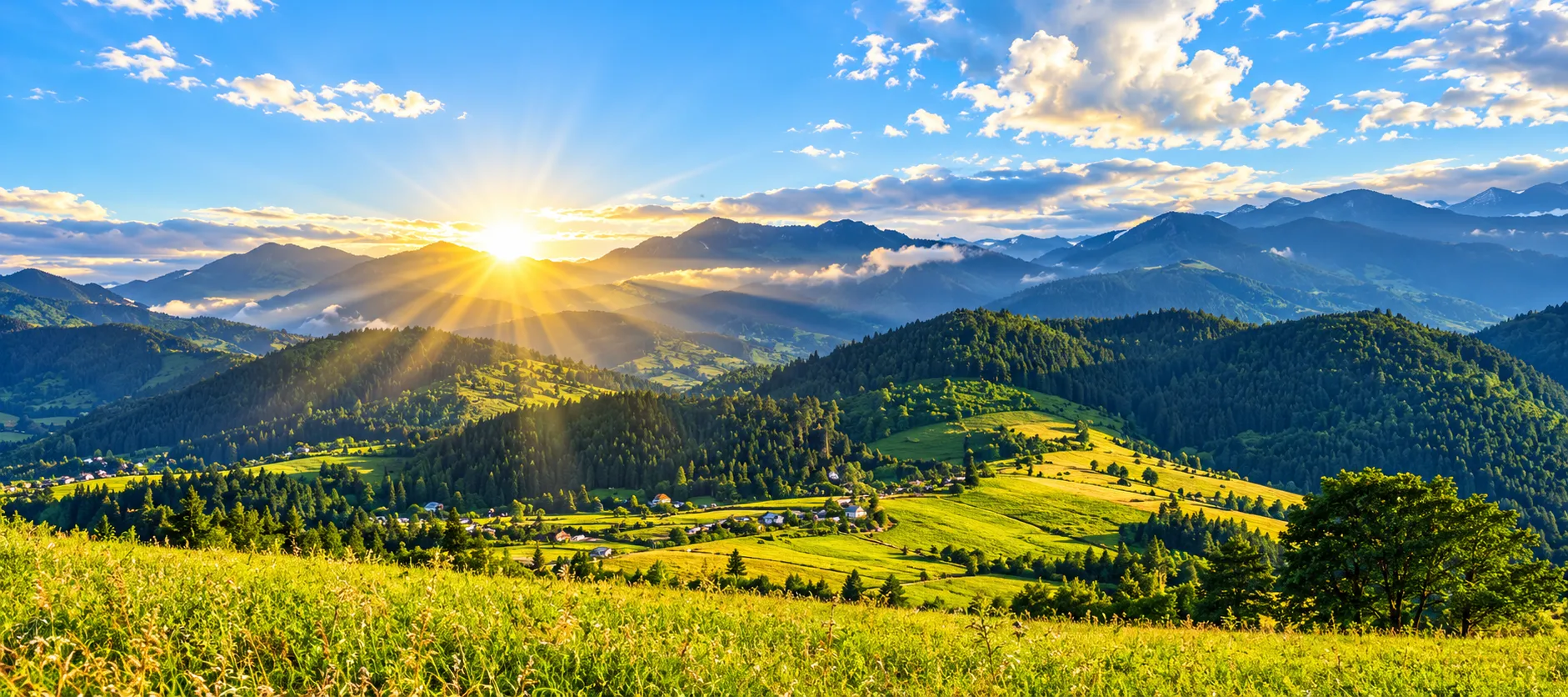
Few trips are planned around a single moment, but a Dong Valley sunrise trip is one of them. In the far east of Arunachal Pradesh, where the Lohit Valley narrows toward the border, a small settlement has become known for early light on high ridges. The idea draws travellers who are happy to leave in the dark, climb into the cold and wait for a view that weather may or may not give them.
That uncertainty is part of the appeal, and part of the planning challenge. Getting to Dong takes days, not hours, and the morning itself can be clear, cloudy or somewhere in between. This guide explains where Dong Valley is, why it is talked about, how to approach the journey, what a sunrise morning actually involves and how to travel responsibly.
Where Is Dong Valley?
Dong is a small settlement in Anjaw district, in the far east of Arunachal Pradesh, near the international border. It lies in the upper Lohit River valley, in a landscape of steep forested ridges and narrow gorges, and it is often described as sitting where two rivers meet.
In the wider geography of the region, Dong is part of the Lohit valley, which is separate from the Siang and Dibang valleys. You reach it by continuing up the Lohit past Tezu and Walong, not by crossing the mountains from elsewhere. For planning across valleys, see our Eastern Arunachal Pradesh Travel Guide.
Because it lies so close to the border, travel here comes with extra conditions, which are covered below.
Why Is Dong Valley Famous?
Dong is best known for a claim: that it is where India's first sunrise happens. You will see this repeated in travel writing, local tourism material and social media. The longitude helps explain why. The sun rises earlier in the far east of India than in the west, and Dong is among the easternmost settlements in the country.
It is worth treating the claim carefully. Exactly which place sees the sun first depends on the date, the horizon and how "first" is defined, and nearby locations in the same area can make a similar claim. I have not tried to settle that debate. What can be said safely is that Dong is a far-eastern location where the sun rises early, and that the setting is dramatic.
Beyond the claim, the place has its own pull. It is remote, the scenery is wide and the journey feels like a real expedition.

What Makes the Dong Valley Experience Special?
The early-morning journey. Most of the experience happens before breakfast. You wake in the dark, travel through cold air and arrive with the first grey light on the ridges. For many people, the anticipation is as memorable as the view.
Mountain scenery. Forested slopes, deep river valleys and high ridges fill the horizon. On clear mornings, the light moves across the mountains in stages, and the colours change quickly.
A remote environment. There are few buildings, little noise and almost no light pollution. Even without a spectacular sunrise, the quiet is notable.
Village and cultural setting. Dong is a place where people live, not a viewpoint built for visitors. The area is home to local communities, and a respectful traveller will notice how the village fits the landscape.
Photography. Early light, mist and layered ridges are a strong subject. Patience matters more than equipment, and you may need more than one attempt.
Best Time to Visit Dong Valley
Weather decides whether you see a sunrise, so season matters more here than at most destinations. I have not given exact weather statistics, so check a current forecast.
Cooler, drier months. The months after the monsoon through the winter generally give clearer skies and more reliable roads, which is why many travellers aim for this period. Mornings are very cold. Frost is possible, and snow in higher areas can affect access.
Spring. The weather warms but cloud and showers become more common. Views can be good on some mornings and hidden on others.
Monsoon. Heavy rain, low cloud and landslides make this the hardest season. Sunrise views are far less likely, and road delays should be expected.
There is also a trade-off between comfort and clarity. The clearest months are often the coldest, and the greenest months are usually the cloudiest. Decide what matters most, and plan more than one morning wherever you can, since a single clear day is never guaranteed.
Sunrise time varies through the year. Use a reliable sunrise table for your date and location instead of relying on a number from an article.
How to Reach Dong Valley
Most travellers start in upper Assam. Dibrugarh and Tinsukia are widely used gateways, and Tezu in Lohit district has an airport. From there, the usual route runs by road through Lohit district and up the valley, often passing Parshuram Kund and Walong.
Hired vehicles are the usual way to travel, and a driver who knows the road is strongly recommended. I cannot confirm what shared transport operates, particularly on the final stages.
Roads in the Mishmi Hills are affected by rain, landslides and maintenance. Leave generous buffer time, ask locally about conditions each day and be ready to change plans. Because Dong is a border area, access can also depend on permissions, which are covered next.
Permits. Arunachal Pradesh regulates entry. Indian citizens who are not residents generally need an Inner Line Permit, and foreign nationals have separate requirements. Frontier destinations such as Dong may need additional permissions or may have restrictions that change quickly. I have not stated any specific rule. Confirm the current requirements for Dong itself with official sources or a reputable local operator, and again close to departure.
Dong Valley Sunrise Experience
The details of the morning matter, and a little preparation goes a long way.
Preparing the previous evening. Check the forecast and the sunrise time for your date, and confirm the plan with your driver or host. Lay out warm clothes, a headlamp, camera gear, water and snacks. Charge your phone, camera and power bank, because cold drains batteries quickly. Go to bed early.
Starting early. Aim to be at your viewing spot before first light, not at the minute of sunrise. Light begins to change well before the sun appears, and the best colours are often just before and after. Allow extra time for the dark, the cold and the unexpected.
Clothing. Dress in layers with a warm outer layer, a hat and gloves. Mornings can be far colder than the daytime suggests. Waterproof clothing is useful if mist or drizzle is likely.
Footwear. Wear grippy, comfortable shoes or boots that can handle wet, uneven ground in the dark.
Weather. Cloud and mist can hide the sun, and the mountains may be invisible for hours. Accept this in advance. If the morning is poor, be flexible, stay safe and try again if you can.
Waiting conditions. Expect a cold, quiet wait, possibly with others. Bring a hot drink in a flask if you can, and avoid using bright lights that disturb people and wildlife.
Responsible behaviour. Keep voices low, stay on paths, take your rubbish with you and follow instructions from guides, local people and any officials. Do not wander off permitted areas, and avoid flying drones. The sunrise point may be near sensitive locations, so follow all signs.

Dong Valley and the Eastern Arunachal Pradesh Circuit
Dong works best as the far end of a Lohit valley journey, with other stops along the way. A typical route runs from Assam through Tezu, Parshuram Kund and Walong, with Kibithoo nearby. See our Kibithoo Travel Guide for the frontier settlement in the same part of Anjaw, and our Wakro Travel Guide for another stop in Lohit district.
Dong does not combine easily with the Dibang or Siang valleys, which are reached by separate roads from Assam. If you are comparing remote destinations, our Anini Travel Guide covers the Dibang valley's high headquarters town. For the wider region, start with the Eastern Arunachal Pradesh Travel Guide.
Dong Valley Festival and Cultural Tourism
If you plan a trip around a festival, treat any date or programme you find as unconfirmed until you hear it from the district tourism office, a local operator or a community organisation. Dates change, and some events are private.
What can be said in general is that the communities of Anjaw district have their own languages, customs and festivals, and visitors are guests. Arrange village visits through a local host, ask before entering homes or photographing people, and follow local guidance. For wider context on festival etiquette, see our Tribal Festivals of Northeast India.
Suggested Dong Valley Itinerary
Day 1. Arrive at Dibrugarh or Tinsukia, confirm vehicles and permits, and rest.
Day 2. Travel to Tezu. Visit Parshuram Kund if time allows.
Day 3. Continue up the Lohit Valley toward Walong, stopping at viewpoints and villages.
Day 4. Explore Walong and treat its memorials with respect. Continue toward the Dong area, subject to permissions, and stay as close to Dong as accommodation and rules allow, so that the sunrise start is manageable.
Day 5. Rise early for the Dong sunrise, return for breakfast and rest, then begin the return journey.
Day 6. Use this as a buffer day in case weather, a landslide or permissions have delayed you. If all went well, travel back toward Tezu.
Day 7. Return to Assam and onward travel.
If you can, add a second night near Dong, since one cloudy morning can undo the whole point of the trip.
What to Pack
Warm layers. Thermal base layers, a fleece, a down or insulated jacket, a hat and gloves.
Rain protection. A reliable waterproof jacket, pack cover and spare dry clothes.
Shoes. Grippy boots or shoes for wet, uneven, dark ground, with warm socks.
Torch or headlamp. Essential for pre-dawn starts, with spare batteries.
Water. Carry enough for long road days, and a flask for a hot drink if possible.
Snacks. Simple, high-energy food for the long drives and cold mornings.
Power bank. Cold drains batteries, and electricity can be unreliable.
Medicines. Your regular medication, a first-aid kit and motion-sickness tablets for winding roads. Medical help can be far away.
Permits and documents. Printed permit copies, photo ID and booking confirmations in a waterproof bag. Also carry some cash, since ATMs and digital payments may not be available.
Responsible Travel
Photography etiquette. Ask before photographing people, homes and ceremonies, and accept a refusal. Do not photograph military installations or personnel, and follow any signs. Avoid drones.
Local culture. Treat the village as a home. Greet politely, dress modestly and follow your host's lead.
Environmental responsibility. Carry out all rubbish, avoid single-use plastic, keep chemicals out of water and stay on paths. Remote places have limited waste services.
Respect for communities. Support local people by using local guides and homestays, and by buying from local makers. Keep noise low at dawn, when people may be asleep.
Think before you post. Avoid sharing exact locations of sensitive places in real time, and consider whether an image could cause problems for local people.
FAQs
Where is Dong Valley?
Dong is a small settlement in Anjaw district, in the far east of Arunachal Pradesh, in the upper Lohit Valley near the international border.
Is Dong really where India's first sunrise happens?
It is widely described that way, but which place sees the sun first depends on the date and how "first" is defined. Treat it as a popular description.
How do I reach Dong Valley?
Most travellers go by road from upper Assam through Tezu and up the Lohit Valley. Verify current routes, transport and road conditions.
Do I need a permit for Dong Valley?
Non-resident Indian citizens generally need an Inner Line Permit, and frontier areas may have additional rules. Verify current requirements with official sources.
What is the best time to visit Dong Valley?
The cooler, drier months after the monsoon usually give clearer skies. The monsoon brings cloud, rain and landslides.
What time is sunrise at Dong Valley?
It changes through the year. Use a reliable sunrise table for your date and location instead of a fixed figure.
What should I wear for the Dong Valley sunrise?
Layers, a warm outer jacket, a hat, gloves and grippy footwear. Mornings can be very cold, and waterproofs help in mist.
Can I stay overnight near Dong Valley?
Options are limited and conditions change. Confirm accommodation through a reputable operator, and ask how close you can stay to the viewpoint.
How many days do I need for a Dong Valley trip?
Plan a multi-day journey from Assam, with at least a spare day for weather and permissions. A longer plan allows a second sunrise attempt.