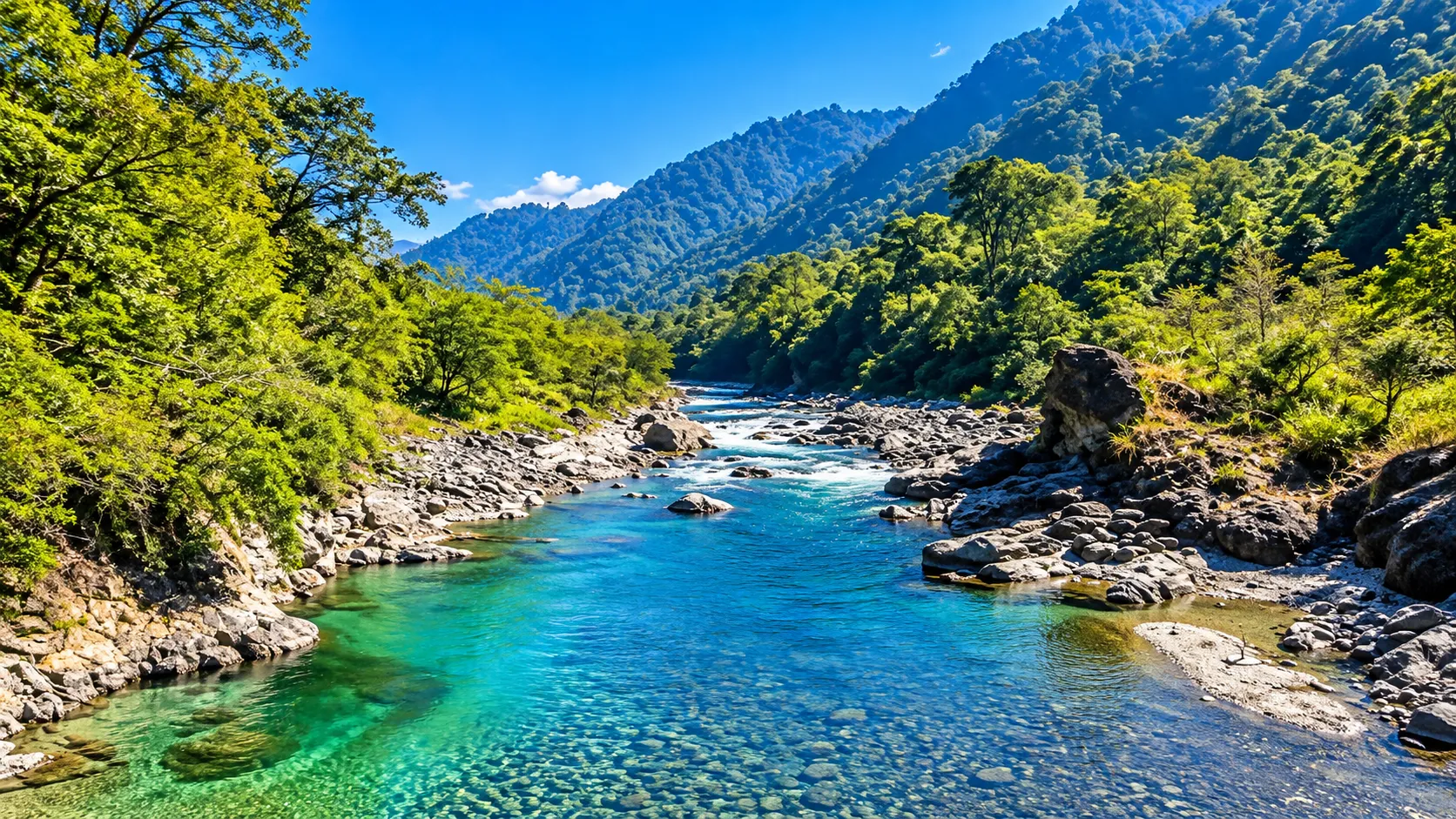
Wakro is a small town in Lohit district, in the far east of Arunachal Pradesh, set among the forested hills and river valleys of the Mishmi region. It is not a place with a long list of formal sights. People come for what surrounds it: the Lohit Valley, mountain views, village life and the feeling of travelling through country that most visitors never reach.
For travellers who have already done the better-known routes and want something quieter, Wakro and the Lohit Valley can be worth a look. This guide covers where Wakro is, what you can see and do, how to approach the trip and how to plan two or three days.
Where Is Wakro?
Wakro lies in Lohit district, in eastern Arunachal Pradesh. The district headquarters is Tezu, and Wakro sits within the same river-and-hill landscape, along the Lohit Valley.
The setting is typical of the Mishmi Hills: steep, forested slopes, narrow valleys and rivers that run fast in the rains. The Lohit River is the main waterway of the district. It comes down from the north and eventually joins other rivers in Assam, where it becomes part of the Brahmaputra system.
In an eastern Arunachal route, Wakro fits between the Assam plains and the higher country farther up the valley. It can be a stop on the way to Tezu and Parshuram Kund, or toward Walong and Kibithoo in Anjaw district.
Why Visit Wakro?
Mountain landscapes. The hills here are layered and green, and on clear days the views along the valley stretch for a long way.
Forests. Much of the surrounding country is thickly wooded. Even a short drive passes through dense forest, bamboo and river gorges.
Rivers. The Lohit and its tributaries shape the land and the travel experience. They are loud in the monsoon and quieter in the cooler months.
Local culture. The region is home to Mishmi communities, with their own languages, clothing, food and festivals. A visit gives you a chance to see how people live in these valleys, if you go with respect.
Village experiences. Small settlements, local markets and homestays offer a slower, more personal way to travel than a tour of landmarks.
Scenic road journeys. The roads are part of the attraction. Winding routes, river crossings and changing scenery make the journey worth taking.
Offbeat travel. Wakro has few crowds and little tourist infrastructure. That suits some travellers and frustrates others, so know which you are.
Places to Visit in and Around Wakro
Wakro itself offers atmosphere more than sights, and I would rather say that than invent attractions. The places below are well-known options in the surrounding region. Opening arrangements and routes change, so check locally. I have given no distances or travel times
Wakro town and surroundings. Walk through the town, look at the local market if one is running, and take in the valley views. Plan a short visit of an hour or two if you are passing through, longer if you are staying.
Tezu. The district headquarters is the practical base for much of the region. It has services, transport links and accommodation, and it is the usual starting point for exploring Lohit district.
Parshuram Kund. This Hindu pilgrimage site on the Lohit River is one of the best-known places in the district. It draws large crowds around Makar Sankranti in January and is quieter at other times. Treat it as a place of worship.
Namsai. To the south, Namsai is known for its Buddhist culture and the Golden Pagoda. It can be added to a longer trip, depending on your route.
Walong and Kibithoo (Anjaw district). These lie farther up the Lohit Valley and are better treated as a separate leg of the journey, with extra days and careful planning.
Mishmi Culture and Local Life

Lohit district is home to Mishmi communities, and the Mishmi are not a single uniform group. Several communities, such as the Digaru (Taraon), Idu and Kaman (Miju), are described in the wider region, each with its own language and customs.
Village life revolves around farming, forest resources and family networks, and many households combine traditional practices with modern work and schooling. Weaving is an important craft in the region, and traditional clothing and textiles are often worn at festivals and ceremonies. Festivals mark the agricultural year, and some are open to respectful visitors by invitation or at public events.
Food depends on household and community, but meals often centre on rice with local vegetables, forest produce, river fish and meat. Ask your host what they would recommend and what is in a dish. Some people have dietary or religious restrictions, so be considerate.
When you meet people, a few habits help. Greet politely, ask before taking photographs, accept hospitality with thanks and let your host guide you on etiquette. Do not treat villages or ceremonies as entertainment. Where possible, buy crafts and food directly from the people who make them, and ask before photographing textiles, homes or rituals.
I have kept claims about traditions general on purpose. Detailed beliefs and practices differ between communities and families, and the best source is the people themselves.
Nature and Landscapes Around Wakro
The land around Wakro is forested hill country. Slopes are steep, the canopy is thick and mist often hangs in the valleys, especially in the mornings. In clear weather, the ridges stand out in layers.
Nature here is best enjoyed slowly. Take short walks on established paths, sit by a river and listen. The region is rich in plant and animal life, and Lohit district is part of a wider area known for its biodiversity, but I would not promise any wildlife sightings. Animals are shy, forests are dense and luck plays a big part.
For photography, early morning and late afternoon give soft light, and mist over the river valley can be striking. Ask before photographing people or private property.
Travel responsibly in natural areas. Stay on paths, carry out your rubbish, keep noise low, do not feed or chase animals, and follow local advice and any forest-department rules. Check whether any area you want to enter needs separate permission.
Lohit River and Scenic Experiences

The Lohit River is the thread that ties this part of Arunachal together. Roads follow its valley, settlements sit along its banks and the weather often changes with it. In the monsoon it runs broad and loud and brown. In the cooler months it can look calmer and clearer.
The river shapes the travel experience in practical ways. Roads near it can be affected by rain, landslides and erosion. Viewpoints appear around bends, and a stop on a safe stretch of road often gives the best photographs. It also demands caution, since banks can be slippery and currents strong. Do not enter the water unless local people say it is safe, and keep away from edges.
For many visitors, simply driving along the valley, stopping at viewpoints and spending time by the river is the main experience.
Things to Do in Wakro
Scenic drives. The valley roads are a highlight. Hire a driver who knows the area, start early and allow time to stop.
Village exploration. Visit with a local host or guide, and treat it as a visit to someone's home. Ask before entering any compound.
Nature walks. Short walks along quiet roads and forest paths suit most visitors. Go with local advice, especially in the rains.
Photography. River mist, forest light and hill views reward patience. Ask permission before photographing people.
Cultural experiences. If your dates match a local event, ask a host about attending. Observe quietly and follow instructions.
Local food. Eat in local places and homestays, and ask about regional dishes.
Nearby sightseeing. Add Tezu and Parshuram Kund, or extend the trip to other parts of the valley, as time allows.
How to Reach Wakro
I have not given distances, travel times, fares, schedules, road conditions or permit fees, because I cannot verify them and they change. Check each point before you travel.
Practical gateways. Most travellers reach this part of Arunachal through upper Assam. Dibrugarh and Tinsukia are widely used as gateways, with Tezu in Lohit district also having an airport.
Road routes. From Assam, you continue by road into Arunachal Pradesh and through Lohit district. Hired cars and taxis give the most flexibility, and shared vehicles run on some routes.
Local road travel. Roads in the Mishmi Hills can be slow and are affected by rain and landslides. Allow generous time, avoid tight connections and ask locally about current conditions. A driver who knows the route is worth having.
Permits. Indian citizens who are not residents of Arunachal Pradesh generally need an Inner Line Permit, and foreign nationals have separate requirements. Rules and procedures change, so verify them with official sources.
General considerations. Carry copies of your permit and ID, keep cash on hand, download maps before you leave and share your plans with someone.
Best Time to Visit Wakro
I have not quoted temperatures or rainfall figures. Check a current forecast before you travel.
Cooler, drier months. The months after the monsoon through the winter are generally the most comfortable for travel. Skies are often clearer, roads are more reliable and views are better. Mornings can be cold and misty at higher elevations.
Spring. Weather warms up, and showers can begin. It can be a good time for green hills and flowering plants, though conditions vary.
Summer and monsoon. Expect heat in lower areas, heavy rain, high rivers and a greater chance of landslides and road delays. The landscape is lush and dramatic, but travel is harder and plans need to be flexible. Leeches and insects are more common.
Where to Stay in Wakro
Accommodation near Wakro is generally simple. Typical options include basic hotels and guesthouses, government lodges and homestays in nearby settlements. Larger towns such as Tezu usually offer a wider choice, and some travellers stay there and make day trips.
A homestay gives more contact with local life, but facilities may be basic. A hotel in a larger town offers more convenience. Book ahead around busy periods such as the Parshuram Kund festival season. I have not named properties or quoted prices because I cannot verify them.
Suggested Wakro Itinerary
These are frameworks, not fixed schedules. Adjust them to weather, road conditions and permissions.
2-Day Wakro Itinerary
Day 1. Arrive in the area and settle in. Take a short walk around Wakro, then spend the late afternoon at a viewpoint over the valley or river. Eat locally.
Day 2. Start early for a scenic drive along the Lohit Valley, with stops for photographs. Visit Tezu or Parshuram Kund if the timing suits, then return in the afternoon.
3-Day Wakro Itinerary
Day 1. Arrive, rest and walk around town. Spend the evening at a viewpoint.
Day 2. Take a morning nature walk and a village visit arranged through a local host. Spend the afternoon on a scenic drive and by the river.
Day 3. Visit Parshuram Kund and Tezu, or begin a longer leg toward other parts of the valley. Confirm routes and permits first.
If you would like help shaping a route, Tribal Discovery Tour can talk through options with you.
What to Pack for Wakro
Clothing. Layers that dry quickly, with a warm layer for mornings and higher ground.
Rain protection. A reliable waterproof jacket, pack cover and spare dry socks.
Footwear. Grippy shoes or boots that can handle wet paths.
Personal medicines. Your regular medication, plus a small first-aid kit and motion-sickness tablets if you need them on winding roads.
Power banks. Electricity can be unreliable, so carry a power bank and spare batteries.
Travel documents. Permit copies, photo ID and any booking confirmations, kept in a waterproof bag.
Other essentials. Insect repellent, sun protection, a torch, drinking water, cash and offline maps.
Travel Tips for Wakro
Connectivity. Mobile coverage can be patchy in valleys and villages. Download maps and keep key numbers offline.
Cash. Carry enough cash, since card and digital payments may not work everywhere. ATMs are more likely in larger towns.
Road travel. Start early, avoid night driving where you can and keep your plans flexible.
Weather. Conditions change quickly in the hills. Check forecasts and pack for both rain and sun.
Local etiquette. Be polite, dress modestly in villages and ask before entering homes or sacred spaces.
Photography etiquette. Ask before photographing people, textiles, homes or ceremonies, and respect a refusal.
Responsible tourism. See the next section.
Responsible Tourism in Wakro
Respect local communities by learning a few greetings, asking permission and following the lead of your host. Treat religious and cultural spaces with care, dressing modestly, keeping quiet and staying out of ceremonies unless invited.
Avoid littering. Carry your waste out, use refillable bottles where possible and keep plastic and chemicals out of rivers.
Support local businesses by using local guides, homestays, restaurants and craft sellers. Small purchases make a difference where tourism is limited.
Travel carefully through natural areas. Stay on paths, keep noise low, leave plants and animals alone and follow local and forest-department instructions. If weather or local conditions change, change your plans.
Frequently Asked Questions About Wakro
Where is Wakro located?
Wakro is a town in Lohit district, eastern Arunachal Pradesh, in the Mishmi Hills along the Lohit Valley.
How do I reach Wakro?
Most travellers go by road from upper Assam, using Dibrugarh or Tinsukia as gateways. Verify current flights, trains and routes before travelling.
What is Wakro known for?
It is known for its Lohit Valley setting, forested hills and Mishmi communities. It is a quiet, offbeat destination more than a sightseeing stop.
What are the best places to visit near Wakro?
Tezu and Parshuram Kund are the best-known nearby options, with Namsai and the upper Lohit Valley as longer extensions.
What is the best time to visit Wakro?
The cooler, drier months are generally the most comfortable. The monsoon is green but brings heavy rain and road risks.
How many days are enough?
Two days cover the area at a relaxed pace, and three allow village visits and nearby sightseeing.
Is Wakro suitable for first-time Arunachal travellers?
It can be, if you are comfortable with simple facilities and flexible plans. Travellers wanting more infrastructure may prefer larger towns.
Do tourists need permits?
Non-resident Indian citizens generally need an Inner Line Permit, and foreign nationals have separate rules. Verify current requirements with official sources.
Where can visitors stay?
Options usually include basic hotels, guesthouses and homestays, with more choice in Tezu. Confirm facilities in advance.
What should travellers pack?
Pack quick-dry layers, rain protection, grippy footwear, medication, a power bank, permit copies, insect repellent and some cash.