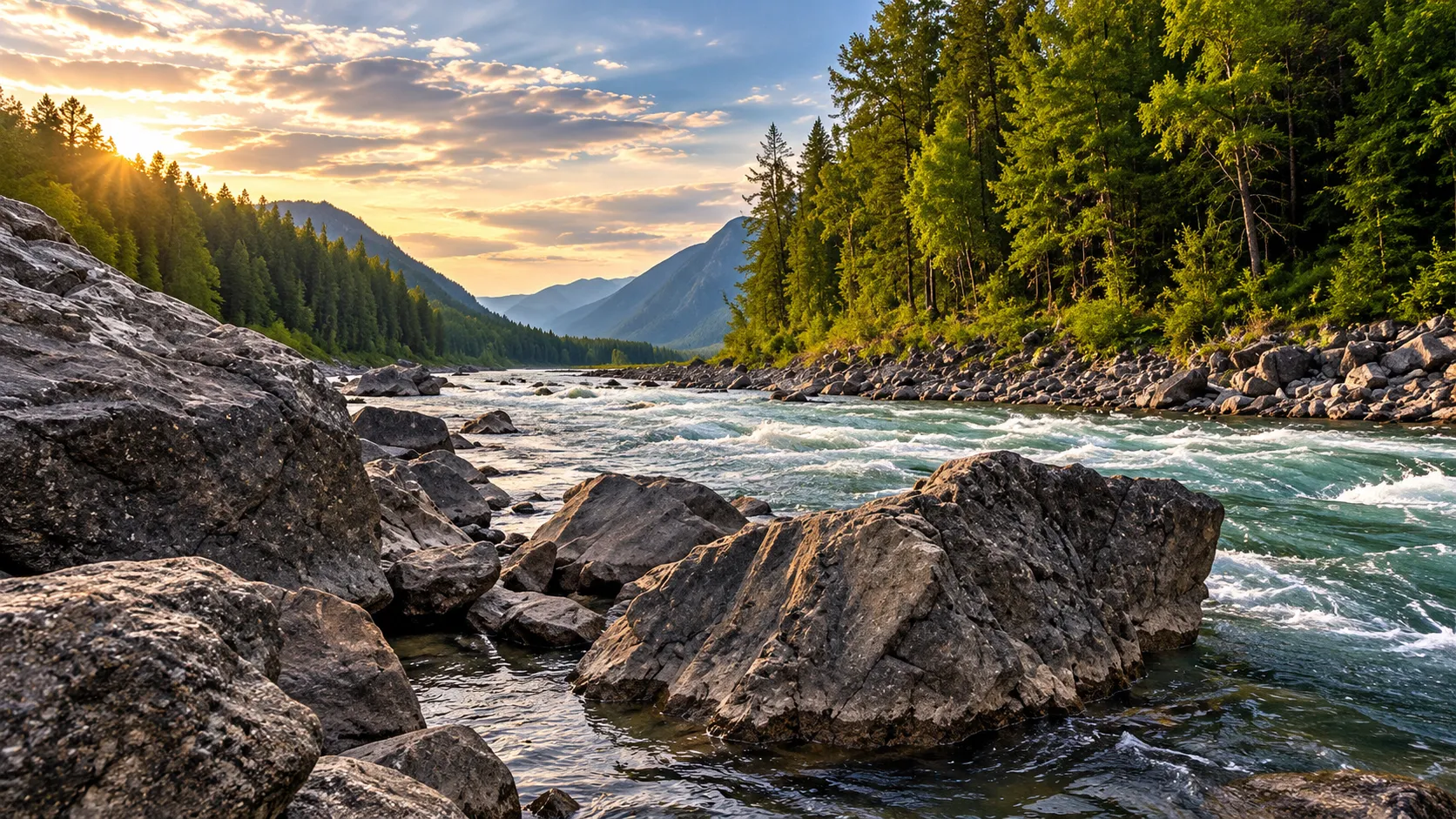
Nampong is a small hill town in Changlang district, in the far south-east of Arunachal Pradesh, and it is the last town of any size on the Indian side before the Pangsau Pass and the Myanmar border. Most people who have heard of the place know it for one of two reasons: the old Stilwell Road, which ran through it during the Second World War, or the Pangsau Pass Festival held here each winter.
For travellers, Nampong, Arunachal Pradesh, is a base rather than a headline sight. It gives you somewhere to sleep, eat and ask questions before heading up to the pass, and it sits in a part of the state that few tourists reach. This guide covers where it is, what the area offers, how to get there, what to verify before you go and how to build a trip around it. Permits, road conditions, border access and festival dates change, so we flag what to confirm locally. For the wider region, see our Eastern Arunachal Pradesh travel guide.
Where is Nampong?
Nampong lies in Changlang district, in the south-eastern part of Arunachal Pradesh, close to the border with Myanmar. Wikipedia gives its elevation as about 308 metres, which makes it a low, humid foothill town rather than a high-mountain one. Local descriptions place it along the Namchik river basin, with forested ridges of the Patkai range around it.
It is described as the last town on the Indian side on the way to Pangsau Pass, which is a short road journey beyond it. Jairampur, the sub-divisional headquarters where the Inner Line has historically begun, lies back toward Assam. Nampong is an administrative centre, and the Tangsa, a Naga community, are the main inhabitants, largely farmers.
Distances between towns vary across sources, so treat any number as approximate and check with a local driver.

Why visit Nampong?
Remote landscapes. The town sits among forested hills, rivers and farmland, far from the usual Arunachal circuits. The scenery is gentle rather than dramatic.
Border-region history. A wartime supply road, a border pass and several communities meet here, and nearby sites tell the story of the people who built the Stilwell Road.
Cultural interest. Nampong is Tangsa country, and with respect and local guidance it is a chance to learn about a community most visitors never meet.
Access to Pangsau Pass. Nampong is the practical starting point for the pass, which most visitors want to see.
Slow and offbeat travel. There are no big attractions to tick off, which suits people who like small towns and local markets.
Nampong and Pangsau Pass
Pangsau Pass lies on the India-Myanmar border at about 1,136 metres, and Arunachal Tourism puts it roughly 12 km beyond Nampong by road. The road climbs through dense forest in switchbacks, and the pass was the first big obstacle for the engineers who built the Ledo, or Stilwell, Road in the Second World War.
Travellers plan the two together because there is little between the plains and the pass. Nampong has the town services and local knowledge you need, and the pass is the reason most people come. For the pass itself, including history, the festival and border details, see our Pangsau Pass travel guide.
Access to the pass area can be controlled, so do not assume you can drive up whenever you like. Ask locally in Nampong about current arrangements.
History of Nampong and the Pangsau region
The history here is bound up with the Stilwell Road. The Ledo Road began at Ledo, the railhead in Assam, and ran through Lekhapani, Jagun, Jairampur and Nampong before climbing to Pangsau Pass and on into Burma, as the Arunachal and Changlang tourism sources describe it. It was built during the Second World War by Allied forces, led by the Americans, as a land route toward China. Nampong was one of the towns on the road, and a bridge was built over the river here.
Many people died building the road. The district administration describes a large burial ground near Jairampur, with about 1,000 graves believed to be mostly of Chinese, Kachin, Indian, British and American soldiers and labourers, on the Stilwell Road about 24 km before the pass, according to the district website. It is a quiet, serious place.
The British had looked at the pass in the late nineteenth century as a possible railway route toward Myitkyina, which never happened. The pass later gained the wartime nickname "Hell Pass" because of its steep gradients and heavy mud.
How to reach Nampong
Nearly every journey starts in Assam.
Nearest major airport. Dibrugarh (Mohanbari) is the usual choice. Tourism sources give the road distance from Dibrugarh to Nampong as roughly 150 to 160 km, though distances vary, so confirm with your driver. Check current flights before you book.
Railway gateway. Tinsukia is generally named as the nearest main railhead, and Margherita as the nearest station for some passenger trains. Both lie in Assam, and there is no railway in Arunachal Pradesh.
Road journey. From Dibrugarh or Tinsukia you travel to Margherita and Ledo, then along the old Stilwell Road via Lekhapani and Jagun to Jairampur, where Assam meets Arunachal Pradesh, and on to Nampong. Sources quote different distances from Jairampur to Nampong, so ask locally.
Local transport. Hiring a taxi or private vehicle in Assam is the most common way to travel. The Changlang district website says state transport buses run from Dibrugarh and Tinsukia to Jagun, with Arunachal state buses continuing to Nampong via Jairampur. We give no timetable or fares, since these change, and you should confirm current services before relying on them.
Travel time. Do not plan tight connections. Rain, landslides, checkpoints and breakdowns slow remote roads, so allow a buffer, travel in daylight and avoid same-day flights or trains after a long drive.
Places to visit around Nampong
The area has more history than headline sights. Opening arrangements and access change, so ask locally before you set out.
Stilwell Road. The old road runs through the area, and some stretches can be followed by vehicle. Look for signs and ask locals which sections are accessible.
World War II cemetery near Jairampur. The large burial ground on the Stilwell Road, about 6 km from Jairampur according to the district website, holds roughly 1,000 graves. It is on the way between Jairampur and Nampong, so it fits naturally into the journey.
Lake of No Return. Tourism sources link this lake to wartime stories of aircraft lost over the Patkai hills. It lies near the pass, and the district website gives its distance from Nampong as about 12 km. One tourism source says it is not possible to drive up to it and that you view it from a distance at the pass, while another says visits need administrative permission. Confirm the current position locally.
Hell Gate and wartime remains. Local descriptions mention the Hell Gate area near Nampong and wartime medical ruins at Wintong. Which are marked and reachable varies.
Nampong town and market. Walk through the town and look at local produce. It is a good place to ask about nearby villages.
Tangsa villages and culture. With local help you may be able to visit a nearby village. Go through a local contact and follow your host's guidance on photographs and behaviour.
Pangsau Pass Festival. Held at Nampong since 2007, usually in the third week of January, according to published sources, the festival features Tangsa and other regional dance, music, food and crafts. We give no dates, so verify them with the tourism department or district administration before you plan around it.
Pangsau Pass from Nampong
Visiting the pass is the main excursion from Nampong, and it needs a little preparation because it lies in a sensitive border area.
Before you go, check three things locally. First, whether the pass is open to visitors on the day you plan to go, and what conditions apply. Second, which documents and permissions are needed beyond the usual Arunachal entry requirements. Third, whether there are any restrictions on photography, timing or vehicles. Border-zone rules can change quickly and are enforced by security personnel, so follow instructions at checkpoints.
Plan for a morning visit, since roads are better driven in daylight and mist is common. Hire a local driver or guide who knows the current rules, and carry water, rain protection and printed documents. Do not attempt to cross into Myanmar without explicit authorisation.
Best time to visit Nampong
Nampong has a humid, forested climate with heavy monsoon rain. We do not give temperature figures because we cannot verify reliable statistics for the town.
Winter, roughly November to February, is generally the drier and more comfortable season. Roads are more likely to be passable, mornings can be misty and the festival is usually held in January.
The monsoon, roughly June to September, brings heavy rain, landslides, leeches and slow travel. Visits are possible but need patience and flexible plans.
For most travellers winter is easiest, but check forecasts and road conditions in any month.
How many days are enough?
One day. A day trip from Tinsukia or Dibrugarh is technically possible but leaves little time and risks a late return on remote roads.
Two days. One night in Nampong lets you arrive in daylight, visit historical sites on the way, see the pass the next morning and head back.
Three days. Two nights give more breathing room for the pass, the town, nearby villages and delays. This is the most comfortable option for most people.
Suggested Nampong itinerary
This is a sample three-day outline without schedules. Adjust it for permissions, road conditions and any festival dates.
Day 1. Start early from Dibrugarh or Tinsukia and drive along the Stilwell Road to Jairampur, stopping at the war cemetery if time allows. Continue to Nampong, check in, walk through town and ask about the next day's plans.
Day 2. Make an early trip to Pangsau Pass, subject to current access and permissions. Return to Nampong for lunch, then visit nearby historical sites or a local village with a guide.
Day 3. Use the morning for remaining sites or the market, then drive back to Assam with plenty of daylight to spare. If you want a longer eastern Arunachal circuit later, our Hawai travel guide and Hayuliang travel guide cover destinations in other parts of the region.
Where to stay in Nampong
Expect simple accommodation. Nampong and nearby Jairampur have basic guesthouses and lodges, government or tourism department facilities may exist, and homestays may be possible with local help. We name no properties, quote no prices and promise no availability.
Choices are limited and rooms can fill quickly, especially around the festival, so plan ahead. Ask about hot water, power cuts and meals when you book, and confirm close to arrival. Tinsukia or Dibrugarh offers more choice at the cost of a longer drive.
Food, connectivity and essential travel tips
Food. Options are simple and local, so carry water and snacks and ask about dietary needs in advance.
Cash. Carry enough for the whole trip. ATMs and card payments may be unreliable in small towns.
Fuel. Fill up before leaving the larger Assam towns.
Mobile network. Expect patchy or no coverage in places. Download maps, share your itinerary and agree check-in times.
Medical preparedness. Bring personal medication and a basic first-aid kit, since facilities in remote areas are limited.
Road conditions. Roads can be affected by rain, landslides and maintenance, so allow buffer time and avoid night driving.
Documents. Carry printed permits and photo ID, and keep digital copies. Indian citizens who do not live in Arunachal Pradesh have historically needed an Inner Line Permit, and other rules apply to foreign nationals, so check current requirements before you travel.
Local etiquette. Greet people politely, ask before photographing anyone, dress modestly in villages and follow local advice near checkpoints.
Responsible travel in Nampong
Respect local communities. Travel through local contacts, ask permission before visiting villages or homes and listen to what residents tell you about their customs and history.
Photograph with care. Ask before photographing people and ceremonies, and do not photograph military or border installations.
Protect the environment. Carry out your rubbish, avoid single-use plastic and keep to existing paths in forest areas.
Treat memorials with respect. War cemeteries are places of remembrance, so keep noise and behaviour appropriate.
Support local businesses. Eat locally, buy crafts from the makers and hire local drivers and guides.
Frequently asked questions
Where is Nampong?
It is in Changlang district in south-eastern Arunachal Pradesh, near the Myanmar border, and is the last town on the Indian side on the way to Pangsau Pass.
How do I reach Nampong?
Most people travel to Dibrugarh or Tinsukia in Assam, then continue by road via Ledo and Jairampur. Confirm current transport and road conditions locally.
What is Nampong famous for?
It is known for the Stilwell Road, its Second World War history, its closeness to Pangsau Pass and the Pangsau Pass Festival.
How far is Nampong from Pangsau Pass?
Arunachal Tourism gives roughly 12 km by road. Confirm with a local driver, since the climb is slow.
Is Nampong worth visiting?
It suits travellers who enjoy history, remote roads and small towns. It is not a destination for big attractions or luxury.
What is the best time to visit Nampong?
Winter, roughly November to February, is generally easier, and the festival is usually held in January. The monsoon brings heavy rain and landslide risk.
Do tourists need permits for Nampong?
Indian citizens who do not live in Arunachal have historically needed an Inner Line Permit, and other rules apply to foreign nationals. Verify current requirements and any border-area restrictions.
How many days are needed for Nampong?
Two days is the minimum that works well, and three days is more comfortable, with extra time for the pass, sites and delays.
Conclusion
Nampong is a small town that rewards patient travellers. It carries the memory of the Stilwell Road, sits at the foot of Pangsau Pass and offers a quiet look at Tangsa country in the far east of Arunachal Pradesh. It is not polished or easy, and that is much of its appeal for people who want somewhere lesser known.
Go with realistic plans. Check permits and border-area rules with the relevant authorities, allow extra time on remote roads, book accommodation early and travel with respect for the communities and memorials you meet. Do that, and Nampong, Arunachal Pradesh, can be the start of a rewarding trip through the east of the state.