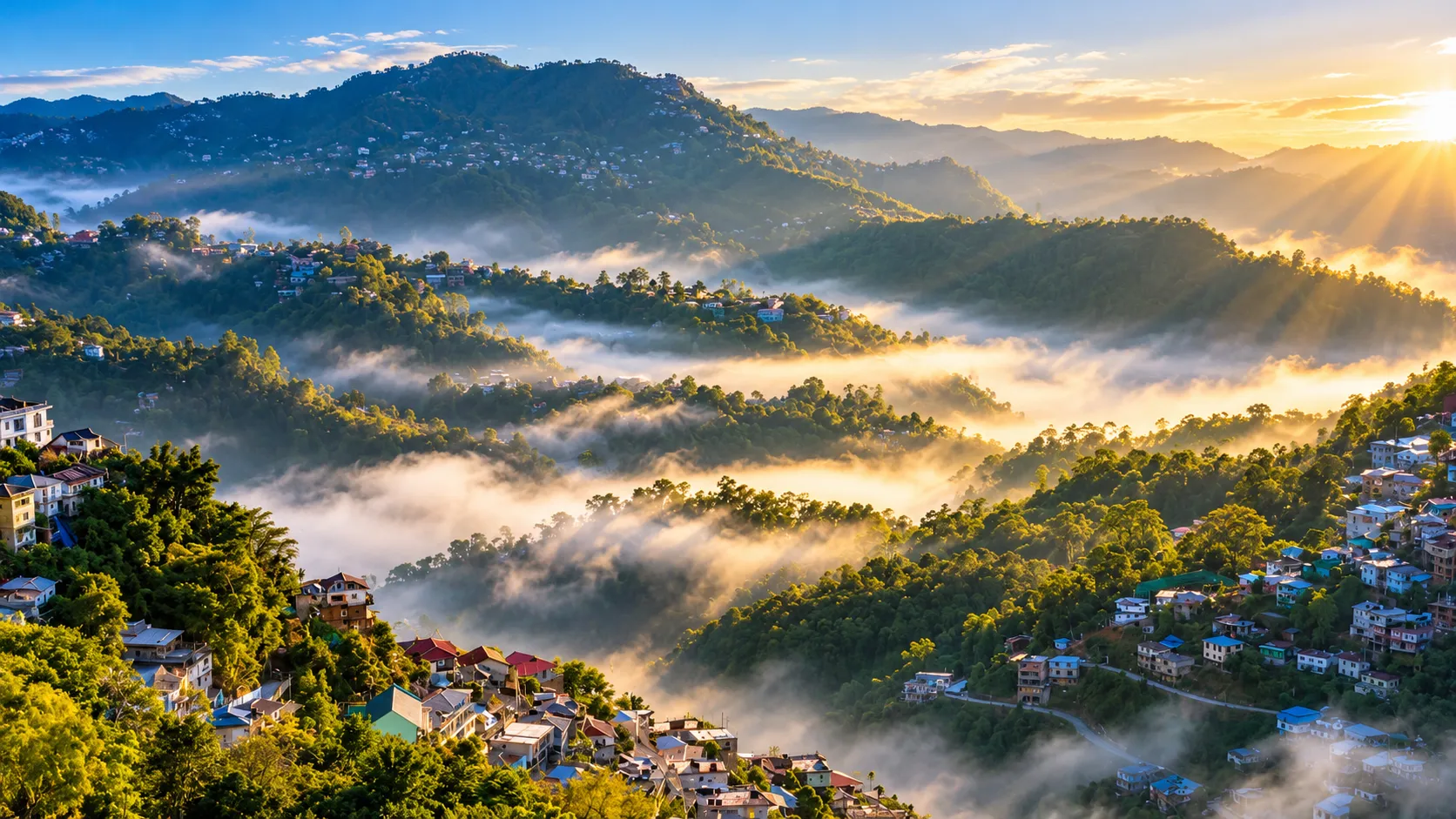
Mizoram asks you to slow down. Its capital is built along a ridge, its roads wind through forested hills for hours at a time, and its villages and towns keep a rhythm that many visitors find unusually calm. Sundays are quiet, evenings often include church music drifting across the valleys, and the pace of a trip is set more by the road than by a checklist of sights.
This Mizoram travel guide is a pillar for planning a first trip. It explains where the state is, what makes it worth a dedicated journey, the main places to visit, Mizo culture and the other communities who live here, food, the best season, how to reach Mizoram, permits, how many days you need and a sample route. It does not quote fees, schedules or travel times, because these change, and it tells you what to verify before you leave.
Where Is Mizoram?
Mizoram is a state in the south of Northeast India. Within India it borders Assam to the north, Manipur to the north-east and Tripura to the west. It also shares international borders with Myanmar along its east and south and with Bangladesh along its west, which affects how some border areas are managed and visited.
The capital and main entry point is Aizawl. Most of the state is hilly, with settlements built along ridges and a limited number of main roads linking towns. Distances on a map can mislead here. Roads follow the terrain, so ask a local driver or check a current route before you plan any day.
Why Visit Mizoram?
The first reason is Mizo culture. Church life, community gatherings, music, handloom weaving and a strong tradition of hospitality shape daily life, and visitors who spend time in towns and villages tend to notice how closely people look after one another. Mizoram is also home to more than one community, and a good trip pays attention to that.
The second is landscape. Expect green hills, deep valleys, forest and long views from ridge roads, with the scenery changing with altitude and season. Viewpoints and hill stations near the main towns make easy day outings, and waterfalls and forest areas can be visited in parts of the state. Conditions vary, so check access locally.
Village experiences are a third reason, although they work best when arranged through local contacts. Food is another: Mizo cooking is simple, often boiled or smoked, and quite different from the dishes most visitors know from the Indian mainland. Handicrafts, especially woven textiles and bamboo and cane work, give you something real to buy from the people who make it.
Finally, travel here is a good fit for people who prefer responsible cultural tourism. There are fewer visitors than in better-known regions, so how you behave matters. Ask, listen, pay fairly and let communities decide what they want to share.

Best Places to Visit in Mizoram
Mizoram's destinations are spread out, and a trip usually links a few of them by road. This section is an overview. Each place has its own guide for details.
Aizawl
Aizawl is the state capital and the gateway for most visitors. The city climbs a hillside, so expect steep streets, busy markets and views across the ridges. It is the place to arrange permits if needed, change money, buy supplies and start learning about Mizo life. Typical visits include the city markets, the state museum and viewpoints in the surrounding hills, and opening hours should be confirmed locally. Our Aizawl travel guide goes deeper.
Champhai
Champhai lies in the east, near the Myanmar border, and has a different feel from the capital, with open farmland and a frontier atmosphere. It is useful for travellers who want to see another side of the state and, subject to current rules, the border region and nearby natural areas. Access near the border can be restricted, so verify conditions before you plan. Read our Champhai travel guide for more.
Lunglei
Lunglei is one of the larger towns in the south and a useful base for exploring that part of Mizoram. The journey itself is part of the experience, with long stretches of hill road and changing scenery. It suits travellers with time to spare who want to see beyond the north. Our Lunglei travel guide covers planning in detail.
Thenzawl
Thenzawl is known for handloom weaving and is a good place to learn about Mizo textiles. It also lies on the way between Aizawl and the south, which makes it an easy stop on a longer route. A waterfall near the town is a common side visit, but check access and conditions before you go. See our Thenzawl travel guide for details.
Hmuifang
Hmuifang is a hill and forested area within reach of Aizawl, often visited for its views and cooler air. It works as a half-day or full-day outing from the capital and is popular with local visitors, so weekends can be busier. Ask about the road and weather before you set out.
Mizo Culture and Tribal Heritage
Mizo is often used as an umbrella term for a number of closely related communities, such as the Lusei, Ralte, Hmar and Paite, among others, who speak related languages and share many customs. They are not culturally identical, and village practices, dialects and dress can differ. Mizoram is also home to other communities, including the Lai, Mara and Chakma, who have their own autonomous district councils, and the Bru, among others. Ask people how they describe themselves instead of assuming.
Traditional village life has long been organised around the community, with shared work, mutual support and a strong sense of obligation to neighbours. Christianity is central to modern social life, so church services shape the week and Sundays are generally quiet, with many shops and services closed. Plan around that, and be quiet and respectful near places of worship.
Customs vary, but common courtesies apply. Greet people, accept hospitality graciously, dress modestly and ask before entering a home. Mizo festivals are linked to the farming year and community life, with names you may hear such as Chapchar Kut, Mim Kut and Pawl Kut. Dates are announced locally and can shift, so do not plan a trip around a date you read online.
Music is part of everyday life. Gospel singing and guitar playing are widespread, and traditional dances, including bamboo dances such as Cheraw, are performed at cultural events. Handloom is another strong tradition. Woven garments and wraps, such as puan, carry patterns that can show community, occasion or style, and buying directly from weavers supports the craft. Bamboo and cane work, basketry and woven goods are also made locally.
Treat cultural performances and village visits as the property of the people who give them. Ask what is appropriate, accept a no, and do not treat traditions as a spectacle.
Best Time to Visit Mizoram
October to March is generally the most comfortable period for travel. Skies are often clearer, roads are more reliable and days suit sightseeing and outdoor viewpoints. Evenings and early mornings can be cool in the hills, so carry a warm layer.
The monsoon brings heavy rain across Mizoram, usually from late spring into early autumn. Expect slow roads, landslides in some areas, cloud over viewpoints and delays on long drives. Waterfalls can look fuller, but travel is less predictable, so keep your plans flexible and ask locally about road conditions before each leg.
Seasons shift from year to year, so check the forecast shortly before departure. We are not quoting temperature or rainfall figures, since they differ by altitude and by year.
How to Reach Mizoram
Air is the simplest route. Lengpui Airport near Aizawl is the state's main airport, with flights linking Aizawl to other Indian cities. Routes and schedules change, so check airlines for current options and allow spare days around connections.
Rail has changed recently. A rail line from Bairabi to Sairang, near Aizawl, was inaugurated in September 2025, bringing a direct rail link into the Aizawl area for the first time. Reports at the time described new connections including services toward Delhi, Kolkata and Guwahati. Confirm which trains currently run, how they connect and where passengers can obtain permits before you plan around them.
Road access is mainly through Assam. Many travellers reach Silchar, in southern Assam, and continue by road into Mizoram, entering near Vairengte on the way toward Aizawl. Mizoram also connects to Manipur and Tripura by road. Long road journeys through the hills can be affected by weather and repairs, so leave generous time and avoid tight same-day connections.
Local transport includes shared vehicles, buses and taxis. Schedules are informal and may change, and in smaller places services can be limited. For a multi-stop itinerary, a hired vehicle with a driver who knows the roads is usually the most flexible option. Confirm prices and timings locally.
Mizoram Travel Permits and Entry Requirements
Visitors from other parts of India have generally needed an Inner Line Permit to enter Mizoram. It has been available through an online government service and through designated offices and entry points. Foreign nationals are subject to separate arrangements, including registration requirements, and some nationalities need prior approval before entry. Sources describing these rules are not always consistent, so rely on official channels.
Rules are also changing. Local reporting in 2026 said the Mizoram cabinet had approved fresh Inner Line Pass guidelines, with details yet to be fully published at that time. We are therefore not giving fees, validity periods or application steps. Before booking, check the Mizoram government's official permit service, ask your tour operator and confirm whether any new rules apply to your dates and nationality. Carry printed and digital copies of your permit and identification throughout the trip.
Mizoram Food Guide
Mizo food is generally simple, relying on rice, vegetables, boiled or smoked meat, and fermented or smoked flavours. Dishes you may come across include bai, a stew made with vegetables and sometimes meat or fish, and sawhchiar, a rice dish cooked with meat. Smoked pork, known as vawksa rep, is another traditional preparation. Bamboo shoot and leafy greens appear in many meals, and chilli is often served on the side.
Eating in homes and small local eateries is the best way to see everyday food. Menus can be limited, and dishes vary between communities and households. Vegetarians should say so early, since meat is central to many dishes, and anyone with allergies should carry snacks and explain their needs clearly.
Alcohol has been restricted in Mizoram, and rules may change, so confirm the current position before you travel. We are not naming restaurants, because availability and standards change. Ask your host, driver or hotel for current local recommendations.
How Many Days Do You Need in Mizoram?
Four days is enough to see Aizawl and one or two nearby places such as Hmuifang or Thenzawl, with little time for anything else. It suits travellers who are short on time and keep to the north-central part of the state.
Six days lets you add a longer stop, such as Thenzawl and another town, with time to spend in a village or workshop. It is a comfortable first visit for most people.
Eight days covers the main circuit, with Aizawl, Hmuifang, Thenzawl, Lunglei and Champhai, though some days will be long on the road. It suits travellers who enjoy road journeys.
Ten days adds slack for weather, extra nights in places you enjoy and time for village visits or cultural events. It also gives a buffer against landslides and delays in the wet months.

Suggested Mizoram Itinerary
This sample plan covers about eight days and links several destinations in a loop from Aizawl. Adjust it to your transport, permits and the season, and confirm road conditions before each stage.
Day 1: Arrive in Aizawl, sort out permits if needed and spend time in the city centre. Walk through a market, learn about the state's history at the museum if it is open, and keep the evening easy.
Day 2: Take a day trip to Hmuifang for views and forest air, returning to Aizawl for the night. Weekdays may be quieter than weekends.
Day 3: Travel to Thenzawl and spend time with weavers and handloom outlets. Visit the nearby waterfall if access is open, and stay overnight in the area.
Day 4: Continue toward Lunglei, leaving plenty of daylight for the road. Use the evening to explore the town and ask about the next day's routes.
Day 5: Spend the day around Lunglei, using local guidance to choose a viewpoint, village or nature visit that is accessible. Return toward Aizawl, or stay another night if the roads are slow.
Day 6: Travel back to Aizawl and rest. Use the evening for last-minute shopping and any remaining city sights.
Day 7: Travel toward Champhai, checking border-area rules beforehand. Settle in and learn what you can visit locally.
Day 8: Explore Champhai and its surroundings, then return to Aizawl or continue to your onward connection. Allow a spare day if your flight or train leaves soon after.
Where to Stay in Mizoram
Accommodation falls into several categories. Aizawl has the widest range, from budget lodges and guesthouses to mid-range hotels. Larger towns such as Lunglei and Champhai have a smaller choice, usually simple hotels and guesthouses. Smaller places may have only basic lodges. Government tourist lodges and rest houses exist in some locations, with booking arrangements that vary. Homestay options appear in some villages, usually arranged through local contacts.
Expect simple rooms, variable hot water and occasional power cuts outside the capital. We are not naming properties, since availability and standards change. Book ahead for peak seasons, festivals and weekends, and ask your host to confirm in writing. Note that places can be full around holidays and church events.
Travel Tips for Mizoram
Carry enough cash for the whole trip, particularly if you are leaving Aizawl. ATMs and digital payments may be unreliable in smaller places.
Mobile networks vary by area and drop in valleys and remote stretches. Download offline maps, share your itinerary with someone and avoid relying on a call to arrange transport at the last minute.
Roads are winding and slow, and journeys often take longer than they look on a map. Travel in daylight where possible, build in buffers and expect weather to change plans, especially in the wetter months. A local driver is a real advantage.
Pack for variable weather: light layers, a warm layer for cool mornings and nights, rain gear and sturdy shoes. Bring any medicines you need, a basic first aid kit, a refillable water bottle and a power bank.
Photography is welcome in many places, but ask before photographing people, homes and religious events. Keep in mind that Sundays are quiet, services are often closed and noise should be limited near churches. Dress modestly, greet people and accept hospitality politely. Carry your waste out and avoid single-use plastic where you can.
Responsible Tribal and Cultural Tourism in Mizoram
- Ask permission before photographing people, especially in villages, and accept a refusal without argument. Do not offer money to make someone pose.
- Visit villages through local contacts, hosts or guides, not unannounced. Follow their advice about where to go and what to avoid.
- Respect church services and Sunday routines. Do not walk into worship uninvited, and keep noise low nearby.
- Buy handicrafts directly from makers where possible, pay the price asked and ask about the weaver's village or community.
- Do not treat dances, festivals or customs as entertainment on demand. If you are invited, join respectfully and follow the host's lead.
- Avoid generalising about people. Mizoram has more than one community, and customs differ.
- Reduce plastic and take your rubbish with you.
- Follow local guidance on border areas, forests and restricted places.
Frequently Asked Questions
Where is Mizoram?
Mizoram is a hilly state in the south of Northeast India, bordering Assam, Manipur and Tripura, with international borders with Myanmar and Bangladesh.
What is the best time to visit Mizoram?
October to March is generally the most comfortable period. The monsoon brings heavy rain, slower roads and a greater risk of landslides.
How do I reach Mizoram?
You can fly into Lengpui Airport near Aizawl, take a train on the recently opened line to the Aizawl area, or travel by road, commonly through Assam. Check current schedules and conditions.
Do I need a permit to visit Mizoram?
Visitors from other parts of India have generally needed an Inner Line Permit, and foreign nationals have separate rules. Requirements are being updated, so verify with official sources before you travel.
What are the best places to visit in Mizoram?
Popular places include Aizawl, Champhai, Lunglei, Thenzawl and Hmuifang. Each suits different interests and travel styles.
How many days do I need in Mizoram?
Four days covers Aizawl and a couple of nearby places. Six to eight days allow a wider circuit, and ten days give a comfortable margin for weather and village visits.
What food should I try in Mizoram?
Dishes you may encounter include bai, sawhchiar and smoked pork. Availability varies, and vegetarians should tell their host in advance.
Is Mizoram suitable for cultural and tribal tourism?
Yes, if you travel respectfully. Visit villages through local contacts, ask before taking photographs, buy crafts directly from makers and avoid treating customs as a show.
Conclusion
Mizoram rewards travellers who are willing to move slowly, spend time on hill roads and learn about the communities who live here. Aizawl, Hmuifang, Thenzawl, Lunglei and Champhai give a workable circuit, and Mizo culture, handloom, food and landscapes give each stop its own character. Plan around the dry season, confirm permits and transport shortly before you travel, keep your schedule loose and treat each village and place of worship with respect. That approach will give you the clearest picture of what the state is like to visit.