Jairampur is a small town in eastern Arunachal Pradesh, close to the Assam border, and its interest comes from history rather than from a list of attractions. It sits on the route of the Stilwell Road, the wartime highway that once ran from Assam through the hills toward Burma, now Myanmar. A World War II cemetery, a landscape shaped by that road and the approach to Nampong and Pangsau Pass give a trip to Jairampur Arunachal Pradesh a purpose that most hill towns cannot offer.
This Jairampur travel guide is written for readers deciding whether to include the town in a longer journey. It explains where Jairampur is, what its history rests on, what you can realistically see, how to reach it, how long to allow and how to combine it with Nampong and Pangsau Pass. It also marks clearly where details change, such as permits, access and road conditions, so you know what to verify before you go. For wider planning, our Eastern Arunachal Pradesh travel guide places Jairampur in the full regional circuit.
Where Is Jairampur in Arunachal Pradesh?
Jairampur lies in Changlang district, in the south-east of Arunachal Pradesh. It is one of the first Arunachal towns you meet when travelling in from upper Assam, which makes it a natural entry point to the eastern part of the state. From here, the road continues toward Nampong and then toward Pangsau Pass on the India and Myanmar border.
The order matters for planning. Coming from Assam, you pass through Jairampur first, then reach Nampong, and Pangsau Pass lies beyond. Changlang, the district headquarters, lies elsewhere in the district and is a separate stop, not a point on this particular line. We have not given distances between these places because road lengths and routes are easy to quote wrongly. Ask a local driver, check a current map and confirm the route on the day.

Why Is Jairampur Important?
The main reason is the Stilwell Road, covered in the next section. A road built for a world war shaped how this area was entered, mapped and remembered, and Jairampur is one of the places where that history is still visible on the ground, in the cemetery, the alignment of the road and the hills around it.
A second reason is position. Jairampur works as the first stop on the way to Nampong and Pangsau Pass, so it makes sense to treat it as part of a route and not as a stand-alone attraction. Travellers who skip it often miss the context that makes the Pangsau Pass area meaningful.
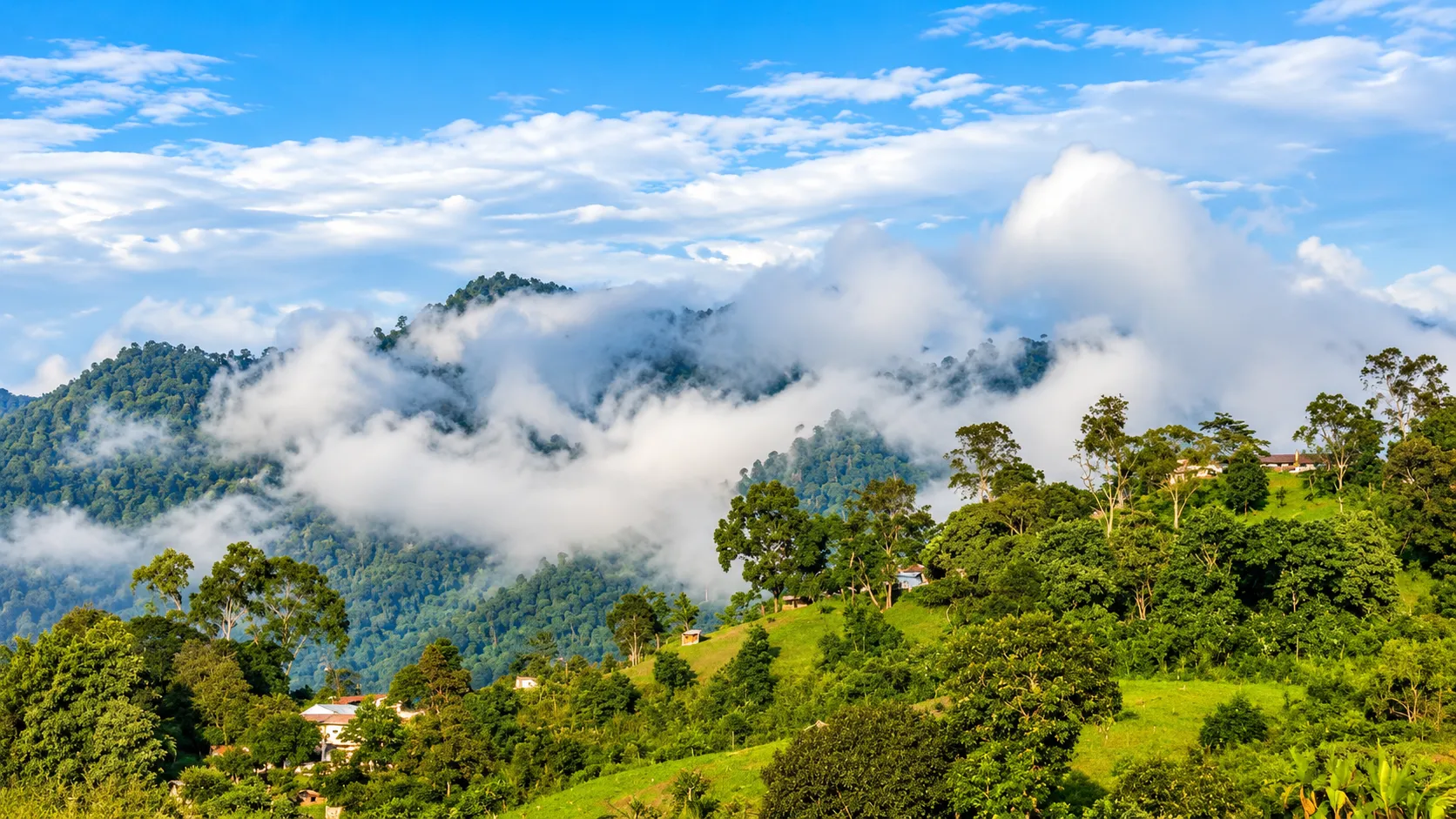
The third reason is the setting. Eastern Arunachal Pradesh here is forested, humid hill country with a quieter pace than the better-known destinations of the state. You should expect a modest town, limited services and time spent on the road. If you want polished facilities and a long list of activities, Jairampur will feel thin. If you want historical depth in a place that few people visit, it deserves a place on the itinerary.
Jairampur and the Stilwell Road
The Stilwell Road, also known as the Ledo Road, was built during World War II to link the railhead at Ledo in Assam with the road network leading to China. It was named after the American General Joseph Stilwell. These points are well documented. The road crossed the hills of what is now eastern Arunachal Pradesh, passed through Pangsau Pass and continued into Burma.
Jairampur lies along this corridor, which is why the town is so often mentioned in connection with it. Building the road in this terrain meant working through dense forest, heavy rain and steep ground, and the workforce included soldiers and labourers from several countries and communities. For exact dates, units, casualty figures and engineering details, rely on archives, museum collections and reputable histories rather than on travel blogs, including this one.

You will also hear local stories and repeated claims while you travel. Some may be accurate and some may have drifted over time, such as the number of people who worked on the road, the hardships endured or the nicknames given to certain stretches. Pangsau Pass, for example, is commonly called by an informal name that refers to the difficulty of the terrain. Treat such stories as part of local memory, ask where the information comes from and avoid repeating specific figures as fact unless you can verify them.
Much of the modern road follows or crosses the old alignment in places, but this varies, and not every stretch of today's road is the original. A guide who knows the area can point out where the historic route can be traced and where it cannot.
Jairampur World War II Cemetery
The Jairampur World War II cemetery is the most direct reminder of the wartime period for visitors to the town. It is a memorial site connected with the years of the road's construction and the wider wartime effort in this part of the Northeast. Travellers interested in history often make it the main reason to stop in Jairampur.
We are not stating the number of graves, the names of those buried, the nationalities or the military units, because we cannot verify them here. If you want accurate details, look for information from the organisations responsible for war graves and heritage in India, from official records and from reputable historical sources, and ask local custodians or authorities on arrival. Before you visit, also check the access arrangements and any opening times locally, since we cannot confirm them.
A war cemetery is a place of mourning and remembrance, and it should be treated that way. Visitor conduct matters:
- Dress modestly and keep your voice low.
- Walk on paths, do not step on or lean against graves and monuments, and do not touch inscriptions.
- Do not eat, litter, smoke or play music on the site.
- Follow any instruction from caretakers or officials.
- Do not climb on structures or remove anything from the grounds.
On photography, wide views and respectful images of the grounds are generally fine, but check for any posted rules. Avoid posing on or beside graves, and do not use drones without clear permission. If other visitors or local families are present, give them space and do not photograph them without asking.
Things to See and Do in Jairampur
- Visit the World War II cemetery and spend enough time to read, reflect and look at the surroundings.
- Explore the historical surroundings on foot or by vehicle, with a driver or guide who can explain where the old road and the modern one meet.
- Learn about the Stilwell Road connection, ideally before you arrive, so what you see makes sense. Reading a short history beforehand helps.
- Walk or drive through the local landscape, taking in the hills, forest edges and small settlements around the town.
- Meet nearby communities respectfully. Changlang district is home to several communities, including the Tangsa and Singpho among others, and village visits should be arranged through local contacts, not turned up on unannounced.
- Use Jairampur as a stage in a wider eastern Arunachal road journey, with time for the market, a local meal and a conversation with people who know the area.
Jairampur to Nampong
Many travellers combine Jairampur with Nampong because they sit on the same road and the same history. Jairampur gives you the memorial and the start of the road's story. Nampong gives you the approach to the border and the services for the next leg. Doing them together makes more sense than visiting either in isolation.
For route planning, treat Jairampur to Nampong as a single stretch of the journey and ask your driver about the current road state, since conditions can change with weather and repairs. Leave room for slow driving and for stops. Carry food, water and cash, because facilities between the two are limited.
Nampong matters for another reason. It is the practical base for anyone continuing toward Pangsau Pass, with the services and local contacts you need for that trip. Our Nampong travel guide covers it in detail, including what to expect there and how to plan the next stage.
Jairampur to Pangsau Pass
The full circuit runs from Jairampur to Nampong and then to Pangsau Pass, the border pass on the old Stilwell Road alignment. Each stage builds on the one before it. Jairampur introduces the history, Nampong prepares you for the border area, and the pass is where the road crosses toward Myanmar.
Structure the journey as a gradual move east. Spend the first stage at Jairampur, move on to Nampong with time to settle and ask about access, and then make the pass trip as a separate effort, ideally with a local driver or guide. We are not giving travel times or road conditions because both change, and you should confirm them locally on the day. Access to the pass is subject to current rules and may be restricted at times, so verify before you set out.
Our Pangsau Pass travel guide explains the pass itself, what visitors usually come to see and how to prepare for the border area.
How to Reach Jairampur
The nearest major airport is Dibrugarh (Mohanbari) in Assam. Check flight availability and schedules with the airlines, and allow buffer time, as winter fog in the Assam plains can disrupt services. Guwahati is the main hub for connections from other parts of India.
For rail, Tinsukia and Dibrugarh are the most practical gateways in eastern Assam. Smaller stations closer to the border, such as those around Margherita and Ledo, may be useful depending on services, but confirm current train arrangements before you plan around them.
Road access is from Assam. Most travellers come through the Margherita and Ledo side, the same corridor associated with the start of the Stilwell Road, and cross into Arunachal Pradesh toward Jairampur. A hired vehicle from Dibrugarh or Tinsukia is the most flexible choice. Shared vehicles operate in parts of the region, but their timings are informal and change without notice, so ask locally and do not rely on any published schedule.
Remote eastern Arunachal Pradesh rewards flexibility. Roads can be slow, weather can change the plan, and a delay at a checkpoint or after rain is common. Do not schedule a flight or train out on the same day as a return from the hills, and keep at least one spare day in your plan.
Best Time to Visit Jairampur
The cooler, drier months, roughly from October to March or April, are generally more comfortable for sightseeing and road travel. Days are usually pleasant, with mist or cool mornings in the hills, though conditions vary year to year.
The monsoon, roughly June to September, brings heavy rain to this part of the Northeast. Expect slow roads, possible landslides, leeches in vegetation and limited visibility in the hills. If you must travel in the wetter months, allow extra days and ask about the roads before you leave. Late spring and early autumn can be humid, with showers.
Check the forecast shortly before departure, because local conditions are hard to predict months ahead. We have not given temperature or rainfall figures, since they differ by year and by elevation.
How Many Days Do You Need for Jairampur?
One day gives you the highlights. It is enough for the cemetery, a look at the surroundings and some time to understand the Stilwell Road link, particularly if you are already based in upper Assam and have a vehicle. It will feel rushed.
Two days let you combine Jairampur with Nampong. This is the most sensible minimum for anyone who wants a sense of the route, with an overnight stay and time to travel without hurrying.
Three days let you add Pangsau Pass to Jairampur and Nampong, subject to current access requirements. Add one more day if you want a buffer for weather or road delays, or if you plan to continue to other destinations in the region.
Suggested Jairampur Itinerary
This sample plan covers three days. Adjust it to your transport, the roads and the access situation.
Day 1: Travel from Dibrugarh or Tinsukia toward Jairampur, leaving enough daylight for the road. Visit the World War II cemetery and walk around the town. Use the evening to confirm plans and any access requirements for the next days with a local contact.
Day 2: Spend the morning exploring the historical surroundings of Jairampur with a guide or driver, then move on to Nampong. Settle in, ask about conditions toward the pass and rest.
Day 3: Make the Pangsau Pass trip if access is open, and allow generous time for the road and the border area. Return to Nampong or continue your route, keeping a margin for delays. If you have extra time, consider extending to other places in the region, such as Longding, which our Longding travel guide covers as part of the wider eastern Arunachal circuit.
Where to Stay in Jairampur
Accommodation in Jairampur is likely to be limited and simple. Expect small guesthouses or basic lodges, with variable hot water, occasional power cuts and few facilities. We are not naming properties because availability and standards change, and we cannot confirm what is open.
Plan ahead. Ask your tour operator or a local contact for current options and get written confirmation of your booking. If rooms are scarce, some travellers choose a larger gateway such as Tinsukia or Dibrugarh in Assam, or base themselves in Nampong, and make Jairampur part of a longer drive. Booking early is especially important around local events and holidays.
Food, Cash, Fuel and Mobile Connectivity
Food is simple. Expect basic meals of rice, dal, vegetables and meat or fish in small eateries, with limited choice. Vegetarians and anyone with allergies should say so in advance and carry snacks.
Carry enough cash for the whole trip. ATMs and digital payments can be unreliable in remote areas, and card acceptance is limited. Fill your fuel tank in an Assam gateway before you enter Arunachal Pradesh, and confirm fuel availability before each longer leg.
Mobile coverage varies and can drop between towns and in the hills. We are not making claims about specific providers. Download offline maps, tell someone your plan and do not count on a call to arrange transport at short notice.
Drinking water should be bottled or properly purified. Pack basic medicines, a first aid kit, insect repellent, rain gear and any prescription medicines you need. Before you leave, learn where the nearest health facility is, share your itinerary and keep the contact details of your driver or host handy.
Permits and Travel Requirements
Arunachal Pradesh has requirements for visitors from outside the state, with separate arrangements for foreign nationals, and these can change. Verify the latest entry requirements with the relevant Arunachal Pradesh authorities or through a reliable tour operator before you travel.
Border areas often have additional restrictions. If you plan to visit Pangsau Pass, check the current requirements for the pass and the area around it before the journey, because access may depend on permissions, security arrangements and the time of year. We have not stated permit names, fees or rules because they cannot be verified here. Carry printed and digital copies of your identification and any permissions throughout the trip.
Responsible Travel in Jairampur
- Treat the cemetery and any memorial site with respect. Keep quiet, stay on paths and follow instructions.
- Ask before photographing people, homes or ceremonies, and accept a no.
- Respect local communities. Arrange village visits through local contacts and follow the host's guidance.
- Avoid intrusive cultural tourism. Do not treat people's daily lives or traditions as a show.
- Keep historical sites clean and take your waste with you.
- Minimise plastic, carry a refillable bottle and avoid single-use packaging where you can.
- Support local businesses by hiring local drivers and guides, eating at local places and buying directly from makers.
- Follow local instructions, especially near border areas and restricted zones.
Jairampur for History and Offbeat Travellers
History enthusiasts are the clearest audience, particularly those interested in World War II in the Northeast and the story of the Stilwell Road. They will get the most from the cemetery and the route if they read about the period beforehand.
Road-trip travellers will enjoy the sense of following a historic corridor through forested hills, with changing scenery and unhurried stops. Photography enthusiasts can find atmosphere in misty hills and quiet landscapes, as long as they respect memorial sites and local people.
Northeast India travellers who have already covered the more popular destinations may find Jairampur a useful addition. The same goes for anyone drawn to eastern Arunachal Pradesh in general. Anyone combining Jairampur with Nampong and Pangsau Pass will get the fullest picture of the route. It is a poor fit for travellers who want comfort, nightlife or a packed schedule.
Frequently Asked Questions
Where is Jairampur in Arunachal Pradesh?
Jairampur is a town in Changlang district in eastern Arunachal Pradesh, close to the Assam border, on the historic Stilwell Road route toward Nampong and Pangsau Pass.
What is Jairampur famous for?
It is known for its link to the Stilwell Road, its World War II cemetery and its position on the route toward Nampong and Pangsau Pass.
What is the Jairampur World War II Cemetery?
It is a memorial site connected with the wartime period of the Stilwell Road. For details such as the number of graves and who is buried there, check official and historical sources.
What is the connection between Jairampur and Stilwell Road?
Jairampur lies along the corridor of the Stilwell Road, which was built during World War II to link Ledo in Assam with the road network leading to China.
How do I reach Jairampur?
Most travellers fly or take a train to Dibrugarh or Tinsukia in Assam and continue by road through the Margherita and Ledo side. Confirm routes and conditions locally.
How far is Jairampur from Nampong?
They are on the same road, but we do not give an exact distance. Check a current map and ask a local driver about the route and its condition.
Can Jairampur and Pangsau Pass be visited on the same trip?
Yes, many travellers combine them with Nampong in between, subject to current access requirements for the pass. Verify the latest rules before you go.
What is the best time to visit Jairampur?
The cooler, drier months, roughly October to March or April, are generally easier for travel. The monsoon brings heavy rain and slower roads.
Conclusion
Jairampur is worth considering for travellers who care about history and about the quieter routes of eastern Arunachal Pradesh. Its World War II cemetery and its place on the Stilwell Road give it a story that few towns in the region can match, and its position makes it the natural first stop before Nampong and Pangsau Pass. Treat the three as one journey, go with realistic expectations, respect the memorial sites and communities along the way, and confirm permits, access and road conditions shortly before you travel.