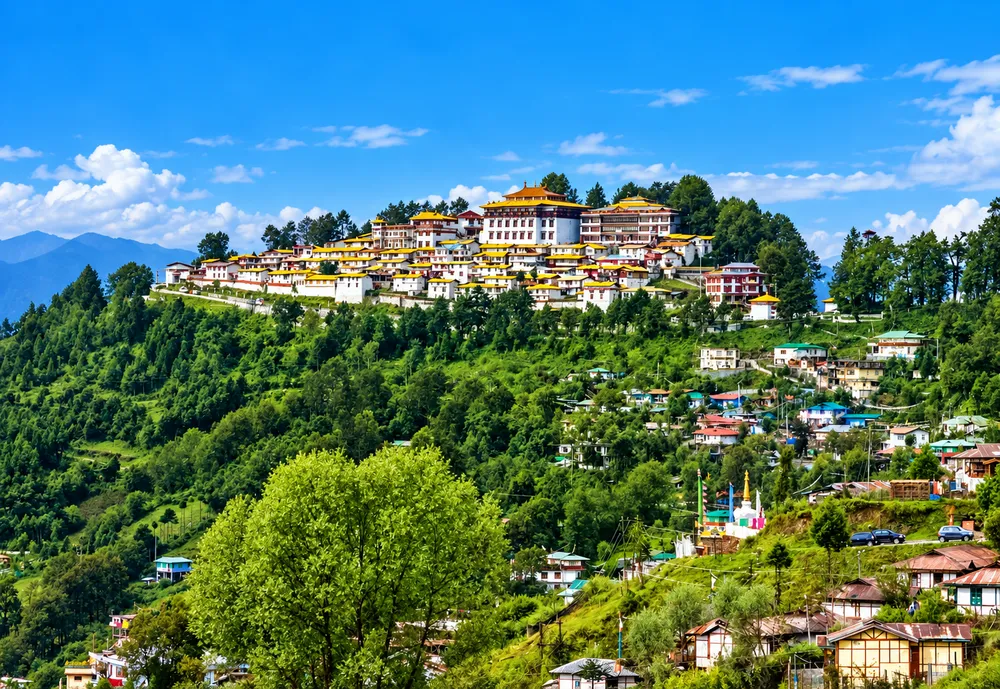
Pasighat is the headquarters of East Siang district in Arunachal Pradesh, set where the Siang River leaves the mountains and spreads out into the plains. Founded in 1911 as an administrative post, it is widely regarded as the oldest town in Arunachal Pradesh. Today it is a relaxed, green town with wide river views, Adi villages on its edges and easy road links to Upper Assam.
Most travellers use Pasighat as a base for exploring the Siang valley or as a stop on an Eastern Arunachal road trip. This guide covers what to see, how to reach Pasighat, the best season and how many days to plan.
Why Visit Pasighat?
Quick answer: Pasighat is worth visiting for its Siang River landscapes, Adi culture, nearby river-island sanctuary, and its role as a practical base between Upper Assam and the Siang valley.
- Natural landscapes: Forested foothills rise behind the town, while the river opens into braided channels and sandbanks below it.
- Siang River: The river is the defining feature of Pasighat. Riverside viewpoints and bridges give some of the widest river views in Arunachal.
- Tribal culture: Pasighat is a centre of Adi life. The community's festivals, food and village institutions shape the region.
- Surrounding villages: Adi villages around Pasighat offer a glimpse of rural life in the foothills.
- Photography: River light at sunrise and sunset, mist on the hills and green paddy fields.
- Outdoor experiences: Birding, river walks and, for experienced adventurers, the Siang's reputation as a serious whitewater river.
- Eastern Arunachal road trips: Pasighat links Dhemaji and Dibrugarh in Assam with Pangin, Yingkiong and Aalo in the hills.
Places to Visit in Pasighat
Siang Riverfront
What it is: Open riverbanks and viewpoints near town where the Siang spreads across a wide bed. Why visit: It is the simplest way to understand the scale of the river. Time required: 1 to 2 hours. Suits: Everyone, especially photographers. Tips: Go early morning or late afternoon for softer light. Stay back from the water's edge; currents are strong and levels can rise quickly after rain upstream.
Ranaghat Bridge
What it is: A road bridge across the Siang near Pasighat. Why visit: Good elevated views of the river and surrounding hills. Time required: 30 to 45 minutes. Suits: Travellers passing by or looking for photo stops. Tips: Stop only where it is safe to park. Avoid photography of any security personnel or installations.
Daying Ering Memorial Wildlife Sanctuary
What it is: A protected area made up of river islands, grasslands and channels of the Siang, located downstream of Pasighat. Why visit: Known for its birdlife, particularly in winter, and its riverine grassland habitat. Time required: Half a day. Suits: Birdwatchers and nature lovers. Tips: Access usually involves crossing river channels by boat, which depends on water levels and forest department arrangements. Confirm current access and permissions with the forest department before going.
Local markets
What it is: Pasighat's town markets, selling produce, household goods and regional items. Why visit: A good way to see everyday life and seasonal produce. Time required: 45 minutes to 1 hour. Suits: Curious travellers, food lovers. Tips: Ask before photographing vendors.
Adi villages near Pasighat
What it is: Villages around town where many Adi families live and farm. Why visit: To see traditional house styles, community spaces and rural life. Time required: 2 to 3 hours. Suits: Culturally curious travellers. Tips: Visit with a local guide or host. Do not enter homes or community buildings without an invitation.
Things to Do in Pasighat
- River sightseeing: Walk the riverbanks, stop at bridges and watch the Siang at different times of day.
- Cultural experiences: Learn about Adi traditions through a local guide or homestay host.
- Village visits: Arrange visits through someone local rather than walking in unannounced.
- Photography: River landscapes, markets and hills, with consent for portraits.
- Nature and birding: Winter is the best period for bird activity around the river islands.
- Local food: Try Adi dishes where available, including preparations with bamboo shoot, local greens and smoked meat.
Activities such as boating or rafting depend on season, water levels and licensed local operators. Confirm availability before building your plan around them.
Siang River and Pasighat
Importance. The Siang begins on the Tibetan Plateau, where it is known as the Yarlung Tsangpo. It enters India in Arunachal Pradesh, flows south through the Siang valley and, below Pasighat, joins the Dibang and Lohit to become the Brahmaputra.
Landscape. Upstream, the Siang runs through steep, narrow gorges. At Pasighat, it emerges into the plains, broadening into a wide channel with islands and sandbanks.
Role in the region. The river shapes agriculture, fishing, settlement patterns and local identity. It also carries cultural meaning for communities along its banks.
Sightseeing and adventure. The riverfront and bridges suit casual visitors. The Siang is internationally known among experienced rafters for demanding whitewater sections upstream. Such trips are expedition-style and should be booked only through experienced, licensed operators. Do not attempt river activities without professional arrangements.
Adi Culture and Local Experiences
The Adi are one of the major indigenous communities of Arunachal Pradesh, living mainly in the Siang valley.
- Traditional culture: Adi society has strong village institutions, including a traditional village council known as the kebang.
- Villages: Many villages have a community hall called the musup or dere, used for gatherings.
- Food: Rice is central, served with vegetables, bamboo shoot, fish and meat. Rice beer (apong) is traditionally prepared at home and holds social importance.
- Festivals: Solung is a major Adi agricultural festival, usually observed around early September. Aran is another important festival, typically held in early March. Verify the current year's dates and which events are open to visitors.
- Responsible cultural tourism: Attend public programmes, follow your host's guidance, ask before photographing and avoid treating ceremonies as performances.
Places to Visit Near Pasighat
- Pangin: A town upstream where the Siyom River meets the Siang. Known for its river confluence views. Allow a full day return from Pasighat.
- Yingkiong: Headquarters of Upper Siang district, deeper in the Siang valley. Best treated as an overnight trip.
- Aalo (Along): Headquarters of West Siang district. Usually reached via Pangin; plan it as a separate leg rather than a day trip.
- Dibrugarh (Assam): Across the Brahmaputra via the Bogibeel Bridge; useful as an arrival and departure point.
Hill road times depend heavily on weather and roadwork, so confirm current conditions before committing to long drives.
How to Reach Pasighat
By air
Pasighat has a small airport with limited regional flights. Check current operators and schedules. Dibrugarh (Mohanbari) Airport in Assam has far more connections and is the most common gateway.
By rail
The nearest railhead is Murkongselek near Jonai in Assam, a short drive from Pasighat. Dibrugarh has better train connectivity with the rest of India.
By road from Assam
- From Dibrugarh: Cross the Brahmaputra via the Bogibeel Bridge and drive through Dhemaji district towards Pasighat. The drive usually takes around 4 to 5 hours depending on traffic and road conditions.
- From Guwahati: A long drive along the north bank of the Brahmaputra. Most travellers break it into two days or fly to Dibrugarh instead.
Private vehicle or taxi
A private taxi gives the most flexibility, especially if you plan to continue to Pangin, Yingkiong or Aalo. Shared vehicles operate on some routes; confirm timings locally.
Permits
Indian citizens need an Inner Line Permit (ILP) to enter Arunachal Pradesh; foreign nationals need a Protected Area Permit (PAP). Verify current rules on the official Arunachal Pradesh portal.
Best Time to Visit Pasighat
Quick answer: October to March is the most comfortable time to visit Pasighat, with drier roads, clearer river views and good conditions for birding.
| Season | Months | Weather | Roads | Sightseeing and Outdoors |
| Winter | December to February | Cool, dry | Generally good | Best for birding and river views |
| Spring | March to April | Pleasant, warming | Good; occasional showers | Green landscapes; Aran festival |
| Summer | May to June | Hot, humid; rain increasing | Showers cause delays | Early mornings best |
| Monsoon | July to September | Heavy rain | Landslides upstream; flooding risk | River high and fast; limited outdoor activity |
| Post-monsoon | October to November | Clear, comfortable | Improving | Excellent views; fresh greenery |
In the monsoon, the Siang rises sharply and roads into the hills are most vulnerable to landslides. Avoid river activities during high water.
How Many Days Are Enough for Pasighat?
- 1 day: Riverfront, Ranaghat Bridge and the town market.
- 2 days: Add Daying Ering Wildlife Sanctuary or village visits.
- 3 days: Add a day trip to Pangin or start a longer Siang valley journey.
Suggested Pasighat Itinerary
Day 1: Arrival and riverfront
- Arrive from Dibrugarh or Murkongselek.
- Afternoon at the Siang riverfront.
- Sunset from Ranaghat Bridge area.
Day 2: Nature and culture
- Morning at Daying Ering Wildlife Sanctuary (subject to access).
- Afternoon village visit with a local guide.
- Evening in the town market.
Day 3: Pangin day trip
- Drive to Pangin for the Siang-Siyom confluence.
- Return to Pasighat before dark, or continue to Aalo if that is your onward route.
Where to Stay in Pasighat
- Hotels: Mid-range and budget hotels in town suit most travellers.
- Guesthouses: Simple, practical options for short stays.
- Government accommodation: Circuit houses and tourist lodges may be available; check in advance.
- Homestays: Available in and around town, offering home-cooked food and local insight.
- Road-trip travellers: Stay near the main road for easy early departures.
Book ahead during festival periods.
Practical Travel Tips for Pasighat
- Permits: Carry your ILP or PAP in print and on your phone.
- Weather: Pack light clothing for most of the year, a light jacket for winter nights and rain gear from May to September.
- Road conditions: Plain roads are generally reliable; hill roads can be disrupted by landslides.
- Cash: ATMs are available in town, but carry cash for villages and hill areas.
- Connectivity: Mobile coverage is generally available in town but weakens in the hills.
- Clothing: Modest, practical clothing is appropriate for village visits.
- Fuel: Fill up in Pasighat before heading into the hills.
- Photography: Ask before photographing people, homes or ceremonies.
- Local etiquette: Accept hospitality graciously and follow hosts' guidance.
- Responsible tourism: Avoid plastic, carry waste out and keep away from the river's edge.
Frequently Asked Questions
What is Pasighat famous for? Its Siang River landscapes, Adi culture and its status as one of the oldest towns in Arunachal Pradesh.
Where is Pasighat? In East Siang district, Arunachal Pradesh, near the border with Assam.
Is Pasighat worth visiting? Yes, especially as part of an Eastern Arunachal trip combining river landscapes, culture and nature.
How do I reach Pasighat? Most travellers fly or take a train to Dibrugarh and drive via the Bogibeel Bridge. Murkongselek is the nearest railhead.
What is the best time to visit Pasighat? October to March.
How many days are enough? Two to three days.
What are the best places to visit in Pasighat? The Siang riverfront, Ranaghat Bridge, Daying Ering Wildlife Sanctuary, local markets and Adi villages.
Is Pasighat suitable for families? Yes. The town is easy to navigate and the terrain is gentle, though caution is needed near the river.
What can I combine with Pasighat? Pangin, Aalo, Yingkiong and Dibrugarh.
Do I need a permit for Pasighat? Yes, an ILP for Indian citizens and a PAP for foreign nationals. Verify current rules.
Conclusion
Pasighat is a calm, practical and rewarding stop in Eastern Arunachal Pradesh. Spend time by the Siang, learn about Adi life from local hosts and use the town as a base for exploring further up the valley. Plan around the dry season, keep a buffer for hill roads and secure your permit early.
If you are planning a Siang valley or Eastern Arunachal route, Tribal Discovery Tour can help you build an itinerary that balances travel time with time on the ground.