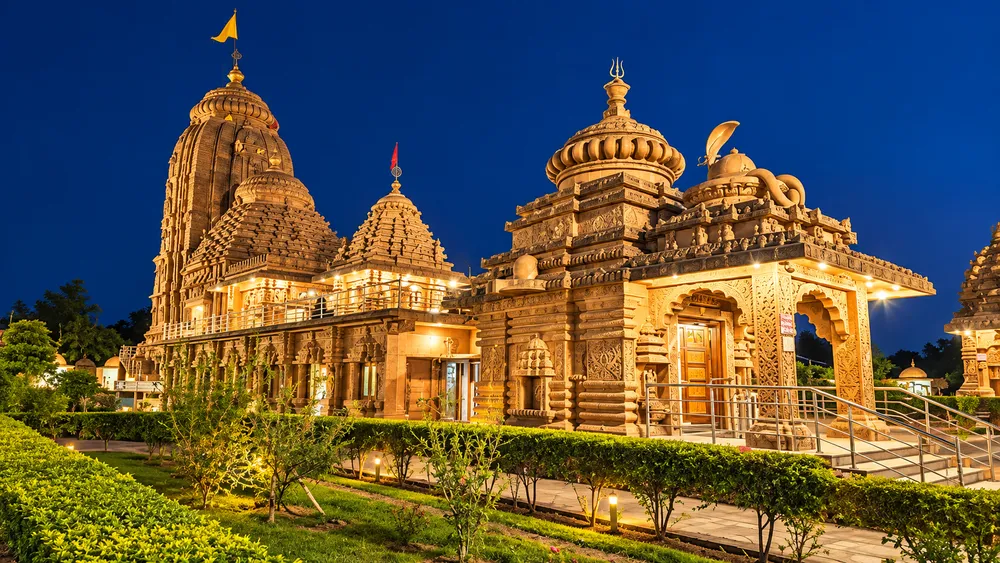
Digboi is a small town in Tinsukia district of Upper Assam, known as the birthplace of India's oil industry. Oil was struck here in 1889, and a refinery started operations in 1901, making Digboi home to one of the oldest continuously operating refineries in the world. Today, the town combines oil heritage, colonial-era architecture, a Second World War cemetery and easy access to the rainforests of Dehing Patkai.
This guide explains Digboi's history, the main places to visit, how to reach Digboi and how to fit it into an Upper Assam itinerary.
Why Visit Digboi?
Quick answer: Digboi is worth visiting for its petroleum history, its oil museum, the Digboi War Cemetery, its planned company-town character and its proximity to Dehing Patkai National Park.
- Petroleum history: Digboi played a foundational role in the development of India's oil sector.
- Heritage: Old bungalows, landscaped company areas and a golf course reflect its history as an oil town.
- Museum: The Digboi Centenary Museum explains the history of oil exploration in the region.
- Nature: Dehing Patkai's lowland rainforests are close by.
- Distinctive character: Unlike tea towns or wildlife hubs, Digboi offers industrial heritage alongside natural surroundings.
History of Digboi
Early oil signs: Oil seepage in the region was noted in the 19th century by British explorers and surveyors.
Discovery: In 1889, drilling by the Assam Railways and Trading Company struck oil at Digboi. This is widely recorded as the first successful mechanically drilled oil well in the region.
Refinery: A refinery began operating in Digboi in 1901. The Assam Oil Company later took charge of operations. In 1981, Assam Oil Company was merged into Indian Oil Corporation (IOCL), which runs the refinery today.
The "Dig boy, dig" story: A popular story claims the town's name comes from engineers urging workers to "dig, boy, dig" when they found oil. This is a widely repeated legend, not an established historical fact. The name's origin remains uncertain.
Second World War: The region was strategically important during the war, owing to its oil and its proximity to the Burma front. Digboi's war cemetery is a reminder of this period.
Places to Visit in Digboi
Digboi Centenary Museum (Oil Museum)
What it is: A museum set up to mark the centenary of oil discovery at Digboi, displaying drilling equipment, machinery, photographs and records. Why visit: It is the clearest way to understand how oil was discovered and processed here. Time required: 1 to 1.5 hours. Practical considerations: Check current opening days, timings and photography rules before visiting.
Digboi War Cemetery
What it is: A Second World War cemetery maintained by the Commonwealth War Graves Commission. Why visit: A quiet, respectful place to reflect on the war's impact on the region. Time required: 30 to 45 minutes. Practical considerations: Maintain silence and follow visitor guidelines.
Heritage areas and bungalows
What it is: Company-era bungalows and planned residential areas around the oil township. Why visit: They give a sense of Digboi's history as a planned oil town. Time required: 1 hour (drive or walk). Practical considerations: Many buildings are private residences or company property. View from public roads only.
Early well and oilfield heritage sites
What it is: Sites associated with early oil exploration, some of which have been preserved. Why visit: A direct connection with the town's history. Practical considerations: Access may be restricted due to operational or security reasons. Confirm locally.
Digboi Golf Course
What it is: A golf course with a long history linked to the oil township. Why visit: Its setting and heritage connections. Practical considerations: Access is typically managed by the club. Check whether visitors are permitted.
Digboi Oil Heritage
Digboi's significance goes beyond its size:
- It was where commercial oil production in India began.
- Its refinery is widely regarded as one of the oldest operating refineries in the world.
- It helped build expertise that shaped India's later petroleum industry.
- The Assam oil sector, including later fields in the region, grew from this foundation.
Digboi's refinery is an active industrial site. Do not attempt to enter operational areas or photograph restricted installations.
Digboi War Cemetery
The Digboi War Cemetery holds graves of service personnel who died during the Second World War, when Upper Assam was a key supply and logistics region for the Allied campaign in Burma.
Visitors should:
- Walk quietly and respectfully.
- Avoid stepping on graves.
- Take photographs discreetly, if at all.
- Keep in mind that the cemetery is a place of remembrance, not a tourist attraction.
Places to Visit Near Digboi
- Dehing Patkai National Park: Lowland rainforest with rich biodiversity, upgraded to national park status in 2021. Combine with a visit to the Jeypore area. Check current entry arrangements and season.
- Margherita: A nearby town known for its tea gardens and coal mining history.
- Ledo: Starting point of the historic Stilwell Road, built during the Second World War.
- Tinsukia: A larger commercial town with more facilities.
- Namdapha National Park (Arunachal Pradesh): A longer trip requiring permits; best planned as a separate multi-day excursion.
How to Reach Digboi
- By air: Dibrugarh (Mohanbari) Airport is the nearest major airport.
- By rail: Digboi has a railway station, and Tinsukia and New Tinsukia offer broader connections. Check current services.
- By road from Dibrugarh: Approximately 75 to 85 km. The drive usually takes around 2 hours depending on traffic.
- From Tinsukia: A short drive, typically under an hour.
- Taxi/private vehicle: Best for combining Digboi with Margherita, Ledo and Dehing Patkai.
Best Time to Visit Digboi
Quick answer: October to March is the best time to visit Digboi, with pleasant weather for sightseeing and better conditions for visiting Dehing Patkai.
| Season | Months | Weather | Sightseeing | Nature Trips |
| Winter | November to February | Cool, dry | Very good | Good |
| Spring | March to April | Pleasant | Good | Good |
| Summer | May to June | Hot, humid | Early mornings best | Fair |
| Monsoon | July to September | Heavy rain | Limited | Parks may be closed or difficult |
| Post-monsoon | October | Fresh | Good | Improving |
How Many Days Are Enough?
- 1 day: Museum, War Cemetery and heritage areas.
- 2 days: Add Dehing Patkai, Margherita or Ledo.
Suggested Digboi Itinerary
Day 1: Digboi heritage
- Morning: Digboi Centenary Museum.
- Late morning: Drive through heritage areas.
- Afternoon: Digboi War Cemetery.
- Evening: Relax or return to Tinsukia/Dibrugarh.
Day 2: Nature and history nearby
- Morning: Dehing Patkai National Park (subject to access).
- Afternoon: Margherita and Ledo, including the Stilwell Road starting point.
- Evening: Return to Digboi or continue onward.
Where to Stay in Digboi
- Hotels and guesthouses: Limited options in town.
- Company/government guesthouses: May be available with permissions; check in advance.
- Tinsukia and Dibrugarh: Wider choice; practical for a day trip.
- Tea estate bungalows: Some in Upper Assam operate as stays; confirm availability.
Food and Local Experiences
- Assamese thali: Rice, dal, vegetables and fish or meat curry.
- Masor tenga: A light, tangy fish curry.
- Pitha: Rice-based snacks, especially during Bihu.
- Assam tea: Try fresh local tea; the region is surrounded by tea estates.
- Tea garden landscapes: Driving through them is part of the Upper Assam experience.
Practical Travel Tips
- Weather: Pack for humidity and rain; light jacket in winter.
- Transport: Hire a taxi for the day.
- Cash: ATMs are available, but carry some cash.
- Connectivity: Generally available in town.
- Clothing: Modest clothing for heritage and memorial sites.
- Photography: Do not photograph the refinery or restricted areas.
- Heritage-site etiquette: Follow instructions and respect private property.
- Responsible tourism: Avoid littering, especially in forest areas.
Frequently Asked Questions
What is Digboi famous for? It is known as the birthplace of India's oil industry and has one of the oldest operating refineries in the world.
Why is Digboi called an oil town? Because its identity and development are closely tied to oil discovery and refining since the late 19th century.
What are the best places to visit in Digboi? Digboi Centenary Museum, Digboi War Cemetery and heritage areas.
How do I reach Digboi? Fly to Dibrugarh or take a train to Digboi or Tinsukia, then travel by road.
How far is Digboi from Dibrugarh? Approximately 75 to 85 km, about 2 hours by road.
What is the best time to visit Digboi? October to March.
How many days are enough? One to two days.
What places can be combined with Digboi? Dehing Patkai National Park, Margherita, Ledo and Tinsukia.
Is the "Dig boy, dig" story true? It is a popular legend; the exact origin of the name is uncertain.
Can I visit the Digboi refinery? The refinery is an active industrial site with restricted access. Visit the museum instead.
Conclusion
Digboi offers a rare mix of industrial heritage, wartime history and rainforest nearby. Spend a day learning how India's oil story began, pay your respects at the war cemetery and extend your trip to Dehing Patkai if time allows.
For help planning an Upper Assam itinerary that includes Digboi, Tribal Discovery Tour can build a route that balances heritage, nature and travel time.